Relays are critical components in modern vehicles, acting as electrically controlled switches that manage high-current circuits such as headlights, fuel pumps, starter motors, and air conditioning systems. They allow a small current to control a much larger current, protecting delicate switches and wiring from excessive load. Despite their simplicity, relays are prone to various failure modes that can disrupt vehicle operations, and understanding these modes is crucial for proper maintenance and troubleshooting.
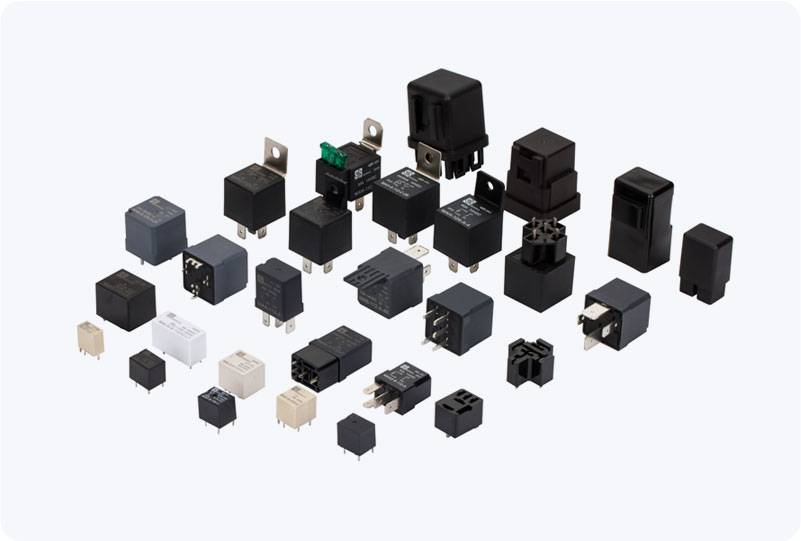
One of the most common relay failure modes in cars is contact wear and corrosion. Each time a relay operates, its contacts open and close, conducting electricity to the controlled system. Over time, this repetitive action can wear down the contact surfaces or cause oxidation and corrosion, especially in humid or dusty environments. Worn or corroded contacts may result in intermittent connectivity, leading to sporadic functioning of the connected component. For example, headlights may flicker, or the fuel pump may start and stop unpredictably, compromising vehicle safety. Another frequent failure mode is coil malfunction. The relay coil generates a magnetic field when energized, pulling the contacts together to complete the circuit. If the coil burns out or experiences internal shorts, the relay cannot operate, leaving the associated system inactive. Coil failures may result from excessive voltage, prolonged activation, or manufacturing defects. Drivers might notice that certain components, like the air conditioning system or radiator fan, fail to start entirely, signaling a potential coil issue.
Leave a Reply