In the rapidly evolving field of communication networks, the concept of relay efficiency has emerged as a key performance indicator. Relay efficiency refers to the effectiveness with which relay nodes—essentially intermediaries that facilitate data transfer—perform their role in enhancing and forwarding signals within a network. As technologies advance, understanding and improving relay efficiency becomes crucial in optimizing data transmission, reducing latency, and enhancing the overall user experience. This article delves into the components that contribute to relay efficiency, its role in various communication systems, and strategies for improvement.
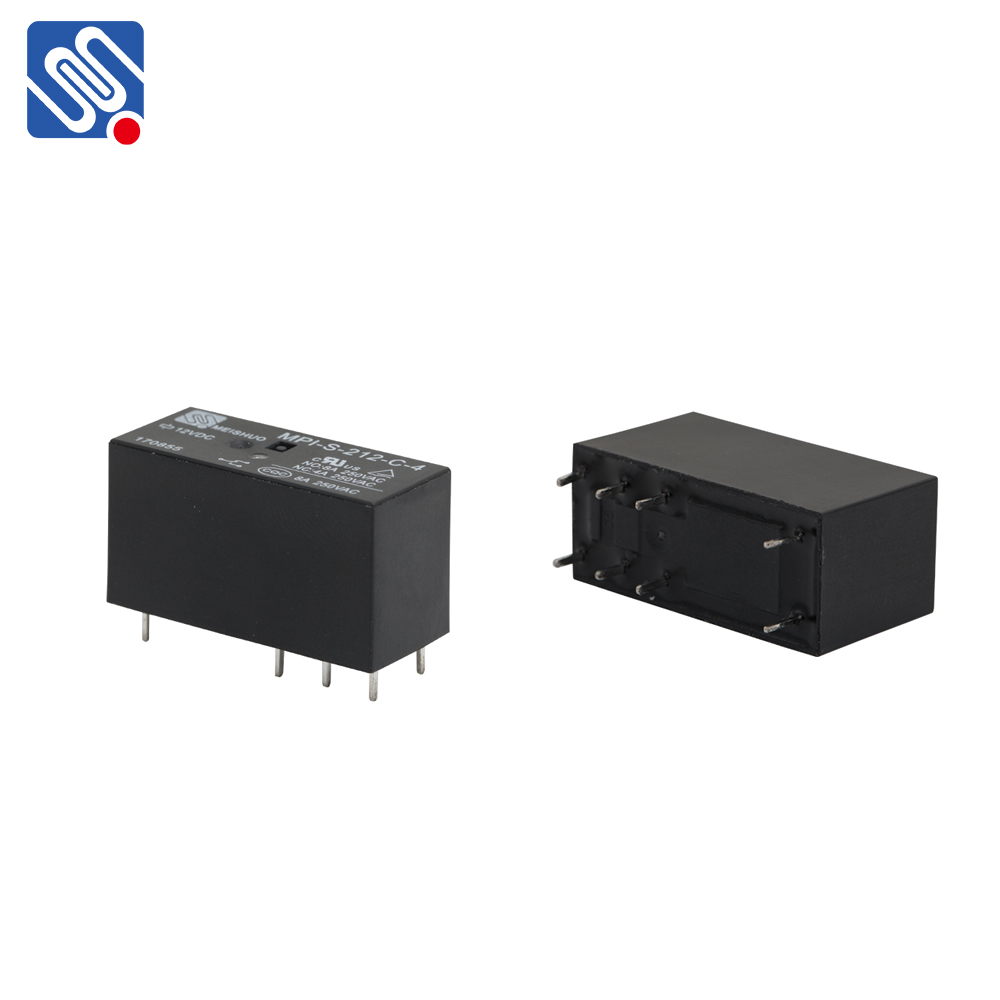
The Function of Relay Nodes Relay nodes serve as critical points in a network, especially in scenarios where the direct transmission of data becomes challenging due to distance, obstacles, or interference. These nodes can be physical devices such as routers, base stations in wireless communication, or even virtual entities such as software-defined networking components. Their primary function is to capture signals from one point, amplify or process them, and then transmit them to the next point along the communication path. Factors Influencing Relay Efficiency Several factors can impact the efficiency of relay nodes, including:
Leave a Reply