Relay drive systems are a fundamental component in the world of electrical engineering, providing crucial control mechanisms for various devices and applications. Utilizing electromechanical switches, relay drives can manage significant electrical loads using a minimal control signal. This article delves into the mechanics of relay drives, their advantages and disadvantages, as well as their diverse applications in modern technology.
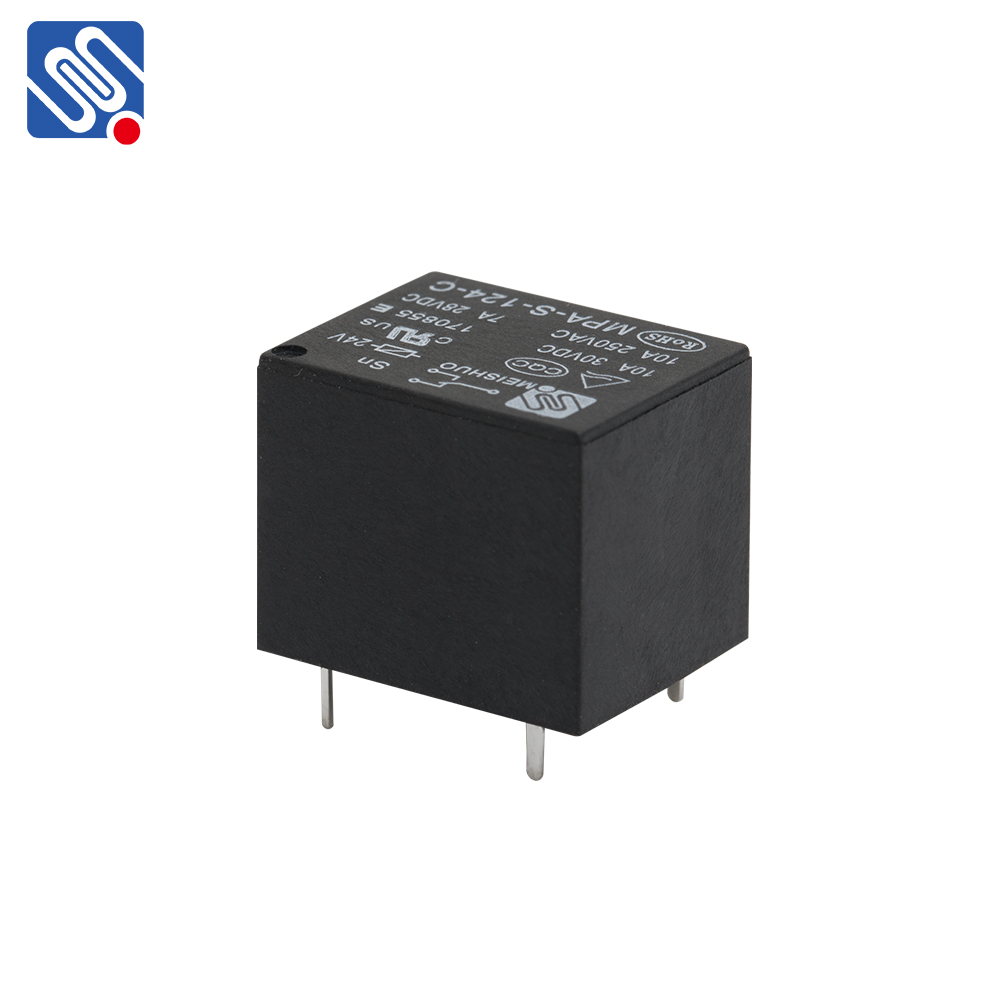
What is Relay Drive? At its core, a relay drive employs relays—electrically operated switches that facilitate the opening and closing of circuits based on an input signal. A relay typically comprises a coil, armature, and contacts. When a small control signal passes through the coil, it generates a magnetic field, attracting the armature and causing the contacts to either close or open, depending on the relay design. This mechanical movement allows a low-power signal to control high-power loads, making relay drives exceptionally versatile. Mechanics of Relay Drive The operation of a relay drive can be broken down into several stages:
Leave a Reply