Relays are crucial components in many electrical systems, offering a reliable method for controlling circuits with low power signals. One of the most important specifications when selecting a relay is its current rating. The current rating of a relay refers to the maximum amount of electrical current that the relay’s contacts can safely handle during operation. Understanding the relay current rating is essential to ensure the longevity and safe functioning of the relay, as well as the overall integrity of the system.
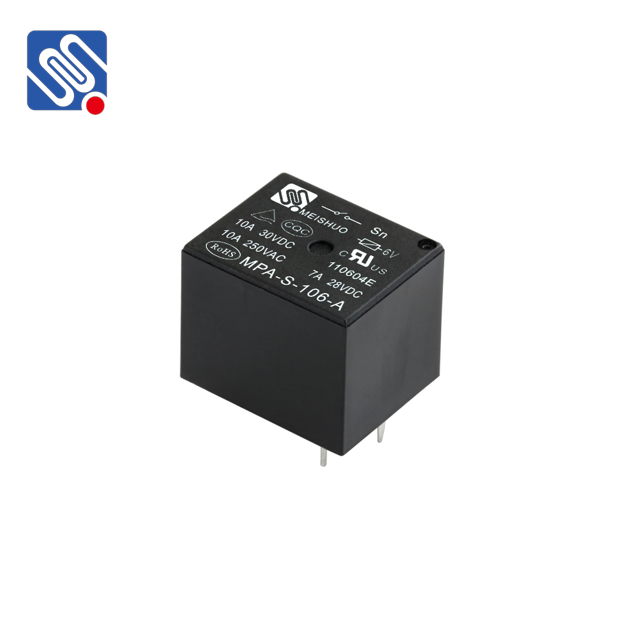
What is Relay Current Rating? Relay current rating specifies the maximum current the relay can carry without damage to its internal components, particularly the contacts. The contacts inside the relay are responsible for making or breaking electrical connections, and the amount of current they are capable of switching directly influences the reliability of the relay. The current rating is typically divided into two key categories: Rated Load Current: This is the maximum current that the relay’s contacts can safely carry when the relay is operating under normal conditions. It is usually specified for different types of load, such as resistive or inductive loads.
Leave a Reply