Relays are essential components in modern electrical systems, used to control high-voltage circuits with low-voltage control signals. When choosing a relay for a specific application, one of the most crucial factors to consider is the relay current rating. This rating determines the maximum current the relay’s contacts can handle safely without damage. In this article, we’ll explore what relay current rating means, how it is determined, and why it is essential for the performance and longevity of the relay.
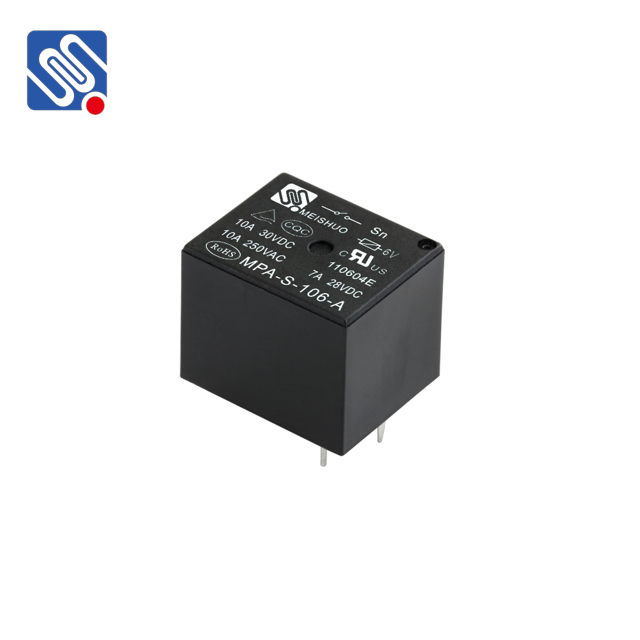
What Is Relay Current Rating? The relay current rating refers to the maximum current that the contacts of the relay are designed to carry during normal operation. The current rating is an essential specification because it ensures that the relay can switch electrical loads safely without causing any harm to the relay’s contacts, which could lead to arcing, burnouts, or malfunctioning. Relay current ratings are often specified for different types of electrical loads, including resistive and inductive loads, as well as for various operating voltages. Typically, manufacturers provide current ratings for both AC (Alternating Current) and DC (Direct Current) circuits, since the behavior of the relay can differ depending on the type of load and voltage.
Leave a Reply