Relay compatibility is a critical aspect of designing electrical systems, as it determines how well different relays can work within a specific environment or circuit. In many applications, relays play an essential role in controlling high-power devices with low-power signals. Ensuring proper relay compatibility is not only about matching electrical specifications but also about considering factors like environmental conditions, mechanical interfaces, and system requirements. This article explores the key factors that influence relay compatibility and offers best practices for selecting and implementing relays in various systems.
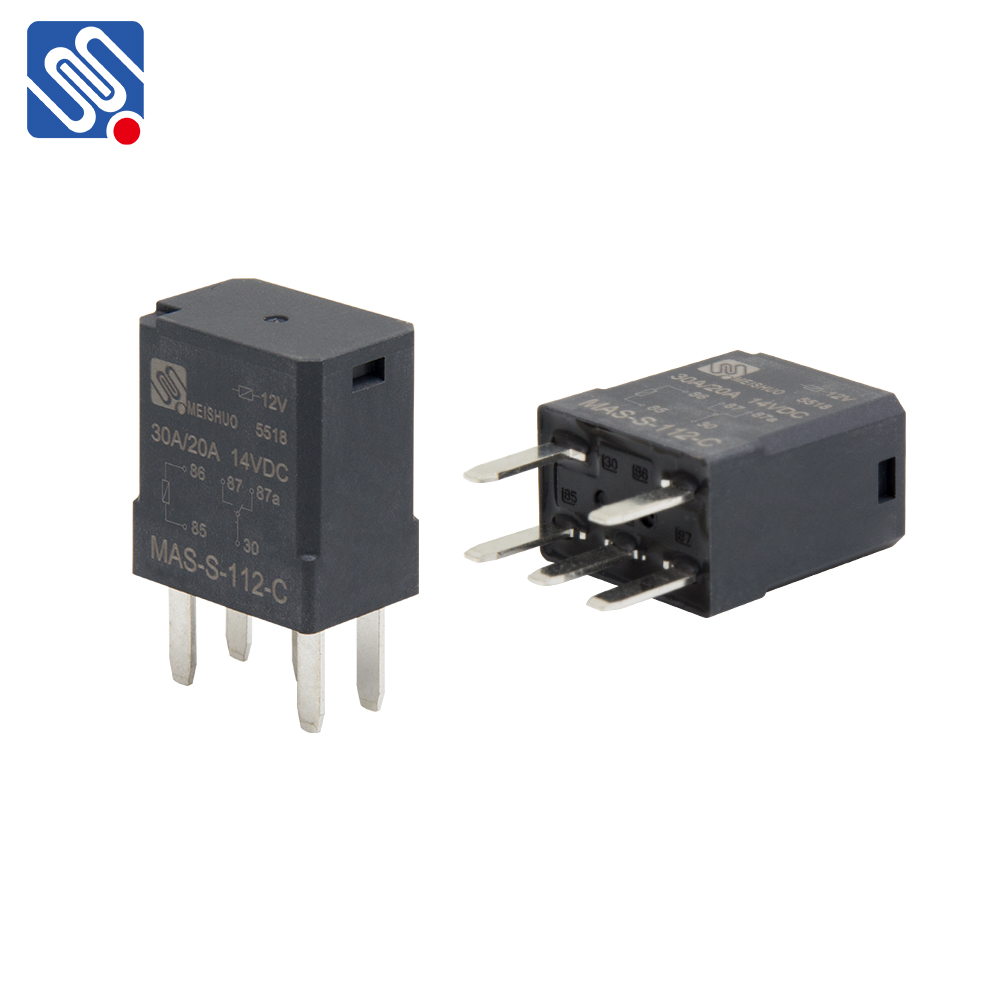
1. Electrical Compatibility One of the most fundamental aspects of relay compatibility is electrical matching. Relays are rated for specific voltages and currents, which means that the relay’s electrical characteristics must match the operating conditions of the system. For example, using a relay rated for 12V in a 24V system can result in insufficient operation or failure to operate entirely. Similarly, the current rating of the relay should match or exceed the maximum current that will flow through the relay contacts. Exceeding these ratings can lead to overheating, arcing, or permanent damage to the relay.
Leave a Reply