Relay circuits are fundamental components in electronic systems, widely used to control high-power devices with low-power signals. Their applications range from simple on/off switches to complex control systems in industrial automation, automotive electronics, and home appliances. In this article, we will explore the key considerations and best practices in relay circuit design, emphasizing safety, reliability, and efficiency.
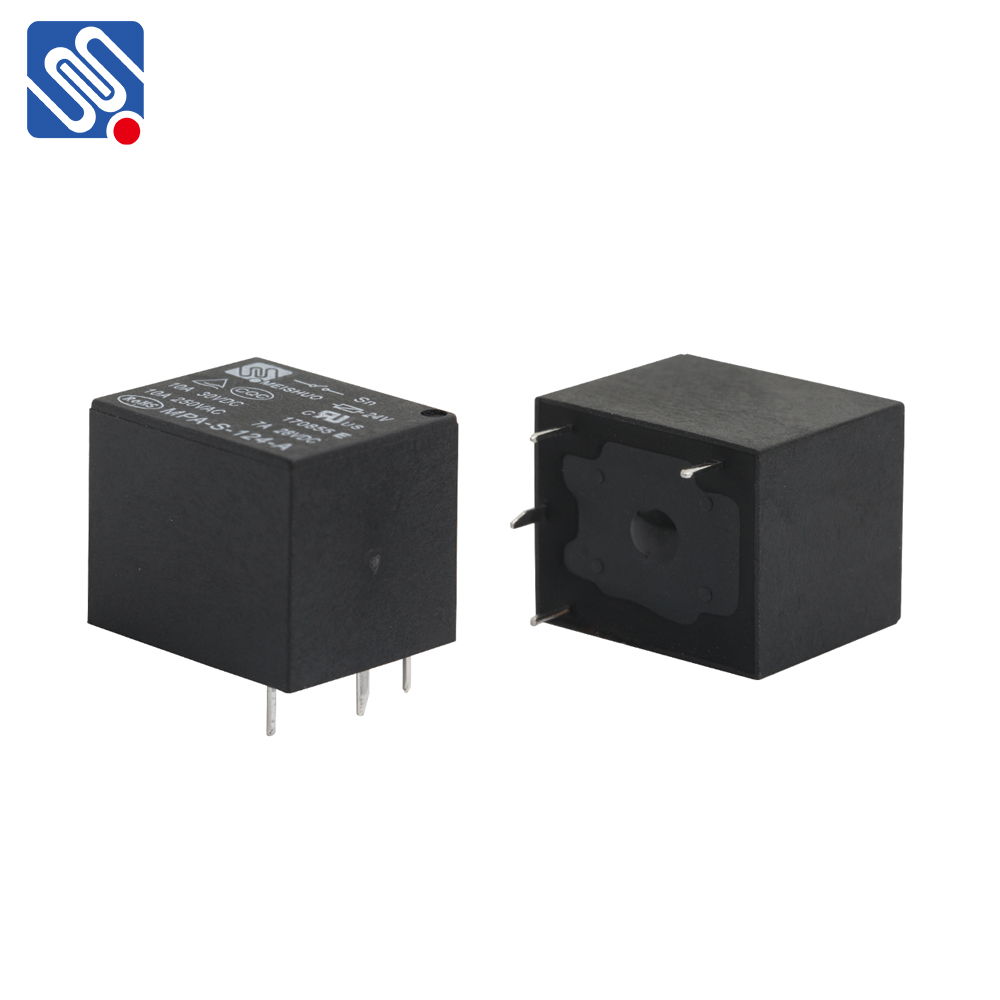
What is a Relay? A relay is an electrically operated switch that uses an electromagnet to mechanically move its contacts. The most common type of relay consists of a coil (electromagnet), a set of contacts (normally open or normally closed), and a spring mechanism to return the contacts to their original position. When current flows through the coil, it generates a magnetic field that attracts a metal armature, causing the contacts to close or open, depending on the relay’s design. Key Components of a Relay Circuit A basic relay circuit includes the following components: Relay Coil: The coil is energized by a control signal, typically from a microcontroller or a logic circuit. When the coil is energized, it generates a magnetic field that moves the relay’s internal contacts.
Leave a Reply