Relays are essential components in both electrical and electronic systems, acting as switches that control the flow of current in response to an external signal. The study of relay characteristics is crucial for understanding how these devices operate, their efficiency, and their suitability for various applications. Whether in power systems, automotive circuits, or industrial equipment, relays play an integral role in ensuring system stability, protection, and automation. This article delves into the key characteristics of relays, including their operating principles, response times, and performance features.
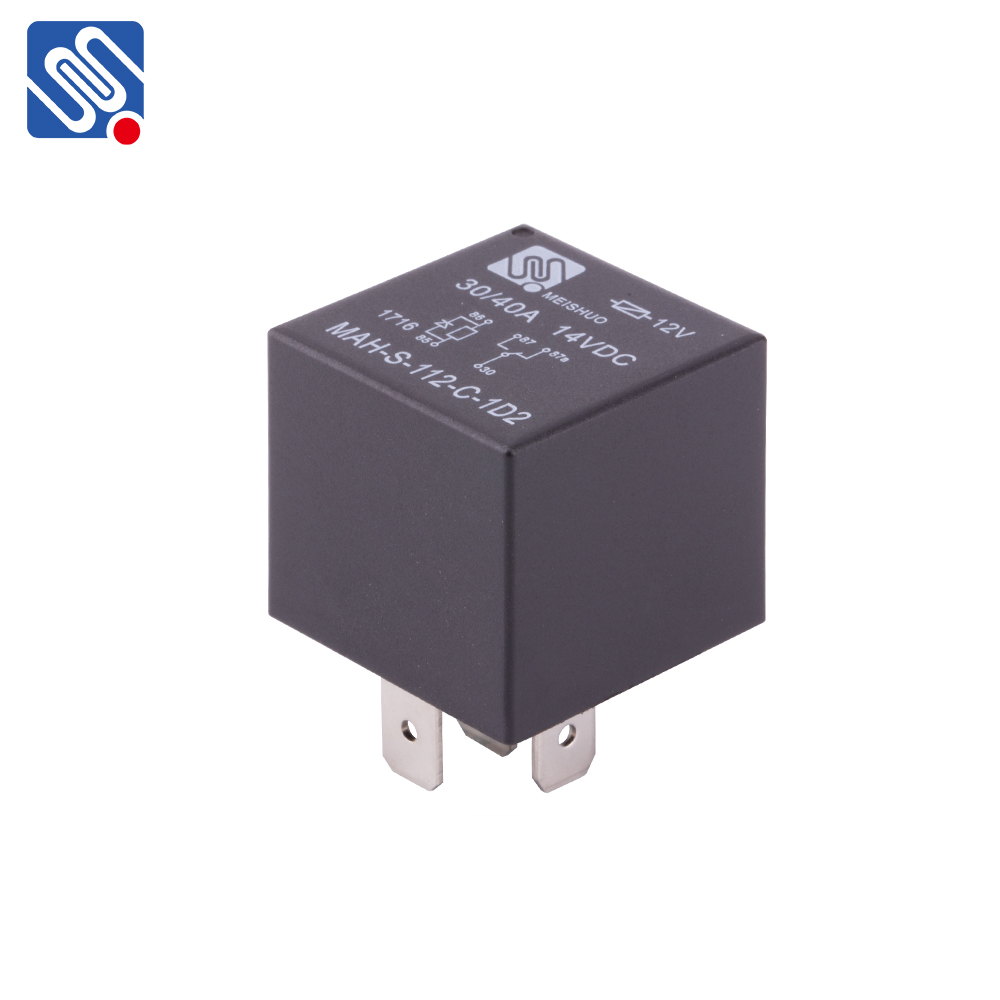
1. Types of Relays Before discussing the characteristics of relays, it is essential to understand the types of relays commonly used. Relays can be broadly categorized into two main types: Electromechanical Relays (EMRs): These are the traditional type of relay that utilizes electromagnetic principles to operate. When an electrical current passes through the coil, it generates a magnetic field that moves an armature, causing the relay’s contacts to close or open. Solid-State Relays (SSRs): These relays use semiconductor components instead of mechanical parts to control the switching function. Solid-state relays are known for their durability and faster response times as they have no moving parts.
Leave a Reply