PVC solenoid valves play a crucial role in various industries, providing efficient control of fluid flow in response to electrical signals. These valves, constructed from polyvinyl chloride (PVC), are known for their durability, chemical resistance, and cost-effectiveness, making them a popular choice for numerous applications ranging from water treatment to industrial automation. In this article, we will explore the features, benefits, applications, and considerations associated with PVC solenoid valves.
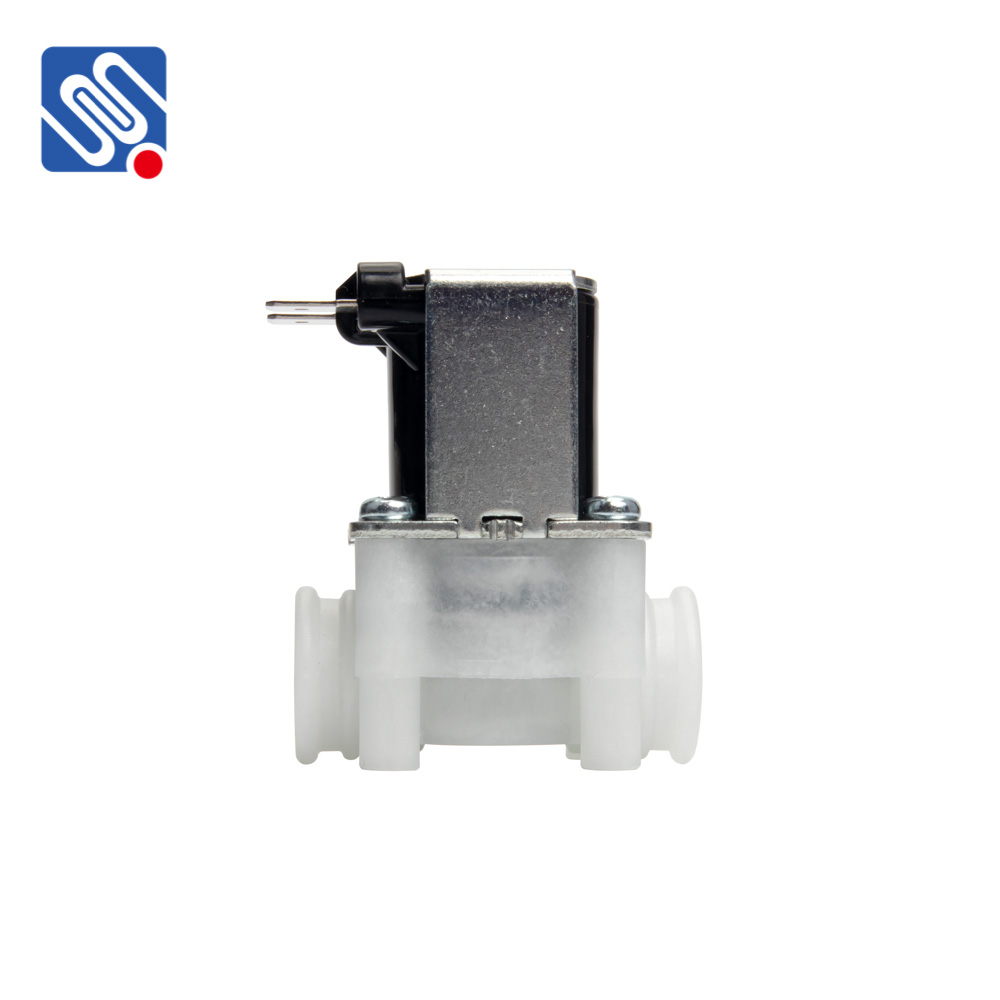
What is a PVC Solenoid Valve? A PVC solenoid valve is an electromechanical device used to control the flow of liquids and gases. It operates on the principle of an electromagnet, which, upon receiving an electrical current, creates a magnetic field that either opens or closes a valve. This mechanism allows for the precise control of fluid flow, making it a vital component in automated systems. Key Features of PVC Solenoid Valves Material Composition: PVC is known for its excellent resistance to corrosion, making PVC solenoid valves suitable for handling various chemical fluids. It is lightweight and relatively inexpensive compared to metallic counterparts such as brass or stainless steel.
Leave a Reply