In today’s industrial landscape, safety is paramount. Industries such as manufacturing, construction, and energy rely heavily on complex machinery and pneumatic systems. Ensuring that these systems operate safely, especially during maintenance and repair, is critical. One key safety device that has become increasingly essential in such environments is the pneumatic lockout. This device is used to control and isolate pneumatic energy sources, preventing unintended machine movements and ensuring the safety of workers. The growing demand for customized and cost-effective solutions has led to the rise of pneumatic lockouts private label products, providing manufacturers and suppliers with tailored options for their safety equipment needs.
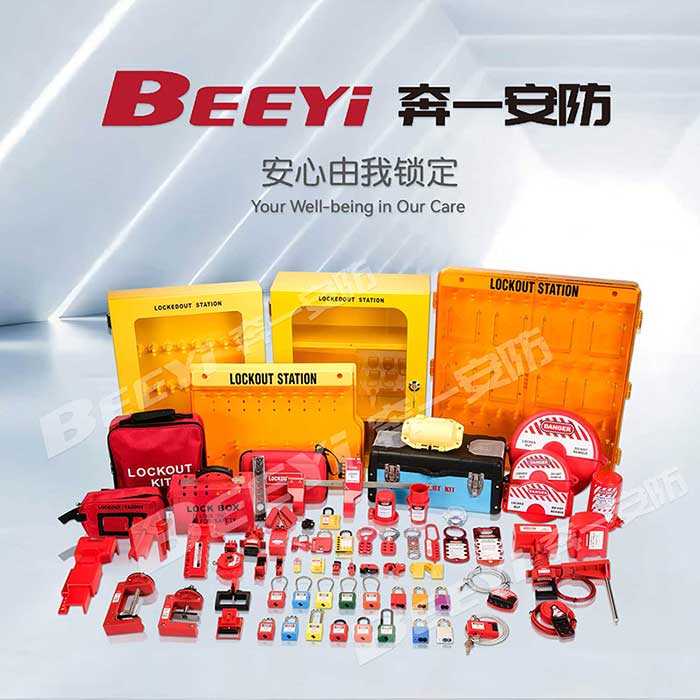
What Are Pneumatic Lockouts? Pneumatic lockouts are mechanical devices designed to lock out pneumatic energy sources, such as air compressors, valves, and pneumatic-powered equipment. The primary purpose of these devices is to prevent the accidental release of stored pneumatic energy during maintenance, repairs, or other work processes. Pneumatic systems are often under high pressure, and an unexpected activation of these systems can lead to severe accidents, including injuries or fatalities. A pneumatic lockout device typically works by physically blocking the flow of air or gas to the system. By locking the device in place, it ensures that no air pressure is released unintentionally, thereby safeguarding workers. Pneumatic lockouts can be used across a wide range of industries, including manufacturing, automotive, construction, and pharmaceuticals, where pneumatic equipment is commonly used.
Leave a Reply