Pneumatic systems are integral components in various industrial applications, powering everything from assembly lines to specialized machinery. However, as with any complex system, they pose a significant safety risk if not properly managed, especially when it comes to maintenance or repair. This is where pneumatic lockouts come into play. These safety devices are crucial in preventing accidental releases of air pressure, ensuring that workers can perform their duties safely. In this article, we’ll explore the purpose, functionality, and importance of pneumatic lockouts in maintaining a safe working environment.
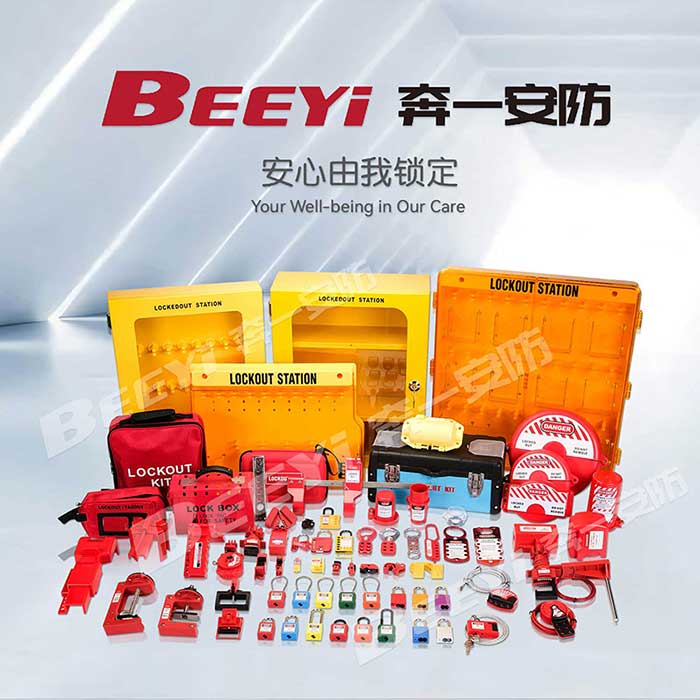
What are Pneumatic Lockouts? Pneumatic lockouts are safety devices designed to isolate and secure the pressure of pneumatic systems during maintenance or repair work. They are essentially physical lockout mechanisms that prevent the accidental release or engagement of compressed air, which could lead to equipment malfunctions or, worse, injuries. These devices are typically applied to pneumatic valves, air supply lines, or equipment controls to ensure that no pneumatic pressure is inadvertently introduced while workers are interacting with machinery. These devices are commonly used in industries that rely on compressed air systems, including manufacturing plants, automotive repair shops, and construction sites. Their primary function is to safeguard workers by locking out the energy source (compressed air) before any maintenance work begins.
Leave a Reply