Pneumatic actuators are integral components in various industrial automation systems, utilizing compressed air to generate motion. Their ability to provide precise control and rapid operation makes them essential in many applications, from manufacturing and packaging to robotics and automotive industries. This article explores the working principles, types, advantages, and applications of pneumatic actuators.
Working Principles
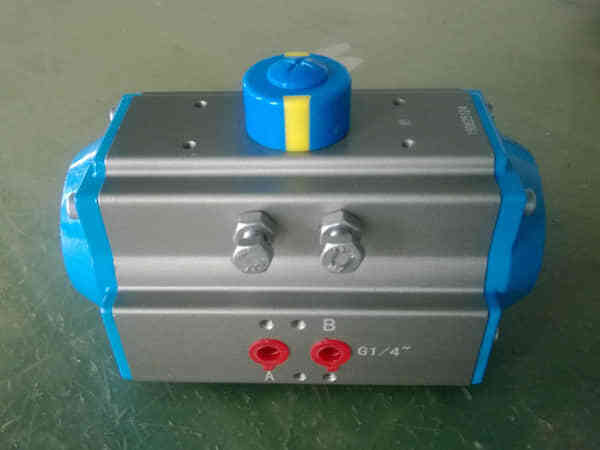
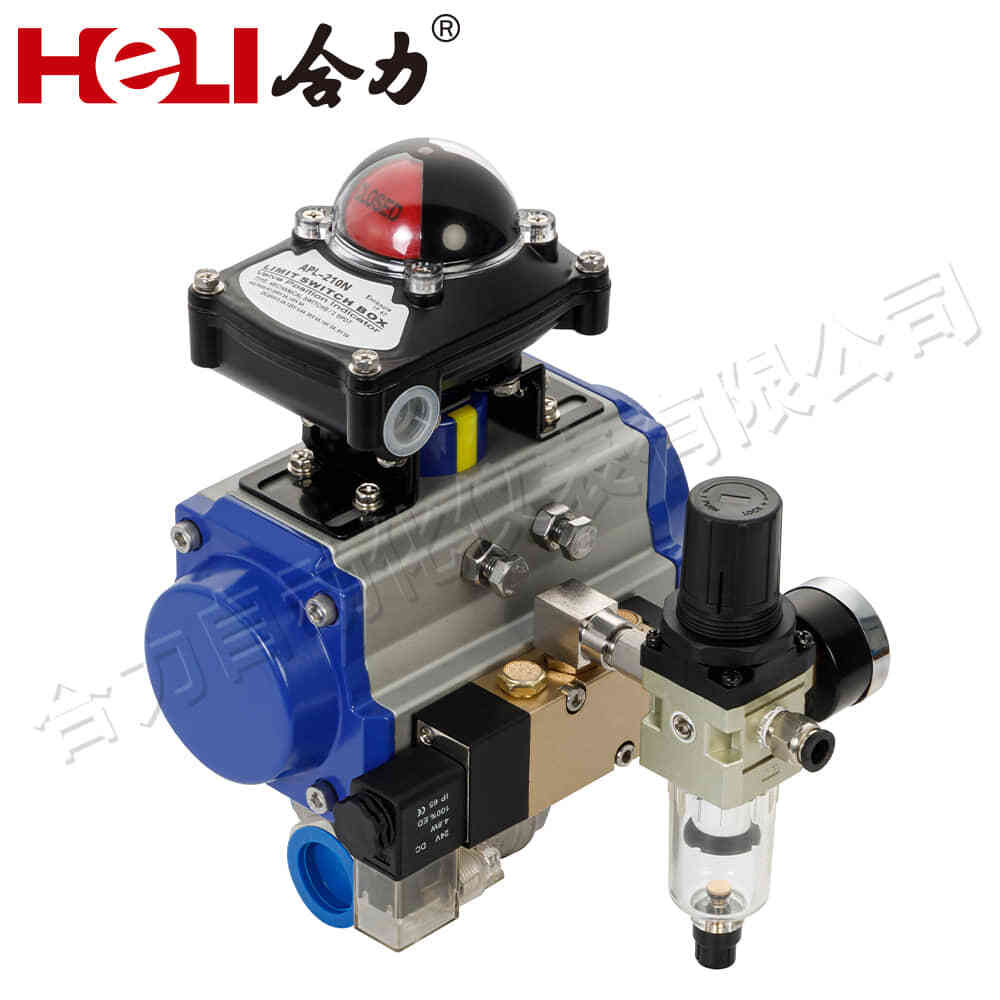
Pneumatic actuators operate on the principle of converting the energy stored in compressed air into mechanical motion. When compressed air is introduced into the actuator, it creates a pressure differential that pushes against a diaphragm or piston within the actuator. This movement can be linear or rotary, depending on the actuator’s design. There are generally two main types of pneumatic actuators: linear actuators and rotary actuators. Linear actuators move in a straight line, typically utilizing a piston and cylinder arrangement. In contrast, rotary actuators produce rotational movement, often employing a vane or a rack-and-pinion mechanism.
Leave a Reply