As the world shifts towards sustainable energy solutions, electric vehicles (EVs) have emerged as a viable alternative to traditional gasoline-powered vehicles. A critical component in the EV ecosystem is the charging infrastructure, which relies heavily on sophisticated technology to manage electric power distribution. One such technology is the PDU Relay (Power Distribution Unit Relay), which plays an essential role in ensuring efficient and safe charging for electric vehicles. In this article, we will explore the functions, importance, and future trends of PDU Relay in EV charging systems.
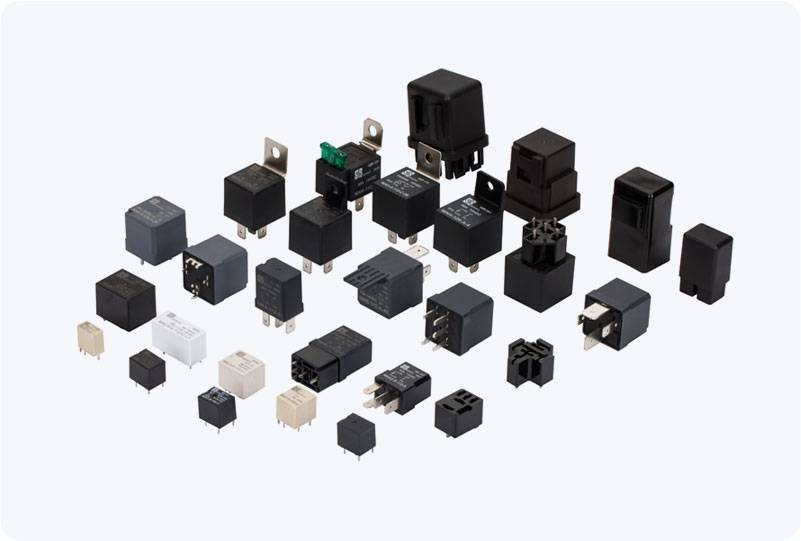
What is a PDU Relay? A Power Distribution Unit (PDU) is a device that distributes electrical power to various loads. In the context of EV charging stations, it manages the distribution of electricity from the grid to multiple charging points. A relay is an electrically operated switch that allows a low-power signal to control a larger current. The PDU Relay combines these two concepts, enabling advanced power management and control for electric vehicle charging systems. Functions of PDU Relay in EV Charging The PDU Relay serves several crucial functions in an EV charging setup: Power Management: One of the primary roles of the PDU Relay is to optimize the allocation of electrical power among various charging stations. By monitoring real-time voltage and current levels, it ensures that each charging point receives the appropriate amount of power, avoiding overloads and enhancing efficiency.
Leave a Reply