An Overload Relay is an essential electrical device used to protect electric motors from potential damage caused by overloading. It plays a critical role in ensuring the longevity and efficient operation of motors by cutting off the power supply when the motor operates beyond its rated capacity. Overload relays are widely used in various industrial and commercial settings, where motors are the driving force behind machinery and equipment. This article explores the function, types, and applications of Overload Relays, shedding light on how they work and why they are crucial in motor protection.
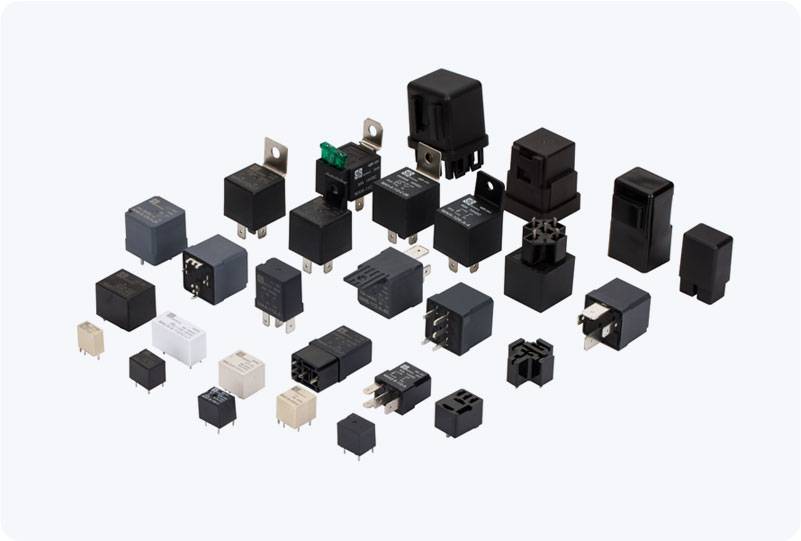
Function of Overload Relays The primary function of an Overload Relay is to detect the current flowing through an electric motor. Motors are designed to run within specific electrical limits, and exceeding these limits can cause the motor to overheat, leading to damage or even failure. When a motor experiences an overload, the Overload Relay interrupts the power supply to prevent excessive heat buildup that could damage the motor windings. Overload Relays are typically connected to the motor’s power circuit and work by monitoring the current supplied to the motor. When the current exceeds the preset threshold, the relay triggers a response that either trips the circuit breaker or disconnects the motor from the power source. This quick action helps prevent overheating, reducing the risk of catastrophic failure and costly repairs.
Leave a Reply