Non-toxic solenoid valves are essential devices widely used in various industries where safety and efficiency are paramount. These valves are designed to control the flow of liquids and gases while adhering to stringent safety standards. Their non-toxic nature makes them suitable for applications involving food, pharmaceuticals, and other sensitive environments. In this article, we will explore what non-toxic solenoid valves are, their design principles, applications, advantages, and key considerations for selecting the right valve for specific needs.
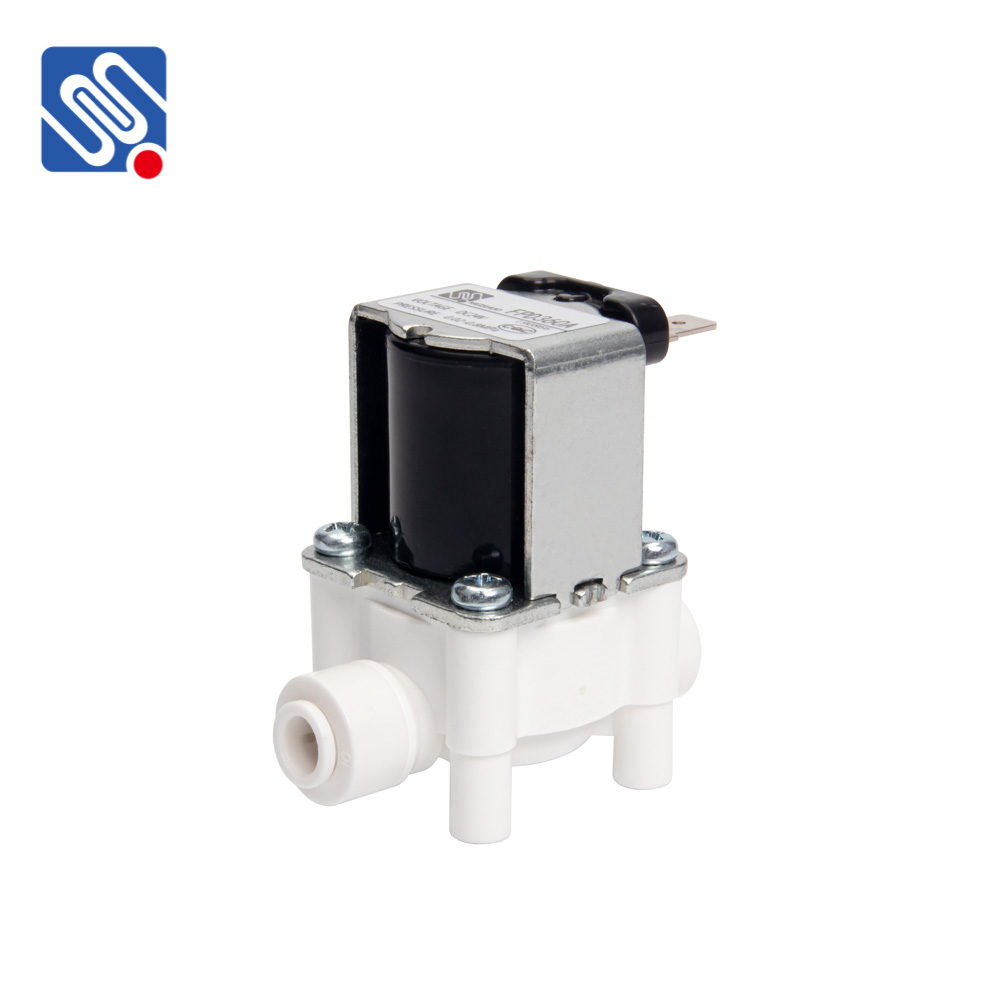
What is a Non-toxic Solenoid Valve? A solenoid valve is an electromechanical device that uses an electromagnetic coil to operate the valve mechanism. When electricity flows through the coil, it generates a magnetic field that moves a plunger or armature, either opening or closing the valve. Non-toxic solenoid valves are constructed from materials that do not leach harmful substances into the fluids they control, making them safe for applications involving potable water, food processing, and pharmaceuticals. Design and Construction The construction of non-toxic solenoid valves emphasizes material safety and durability. Typically, these valves are made from high-grade plastics or metals that meet regulatory standards such as the Food and Drug Administration (FDA) and the European Union’s regulations on food contact materials. Common materials used include polypropylene, stainless steel, and other polymers that are resistant to corrosion and can withstand harsh conditions.
Leave a Reply