Low voltage solenoid valves are pivotal devices in numerous applications, playing a critical role in controlling the flow of gases and liquids. Operating at low voltage levels, typically around 12V or 24V, these valves harness the power of electromagnetic fields to manage fluid dynamics efficiently and reliably. This article delves into the fundamental principles, working mechanisms, applications, and advantages of low voltage solenoid valves, highlighting their significance in various industries.
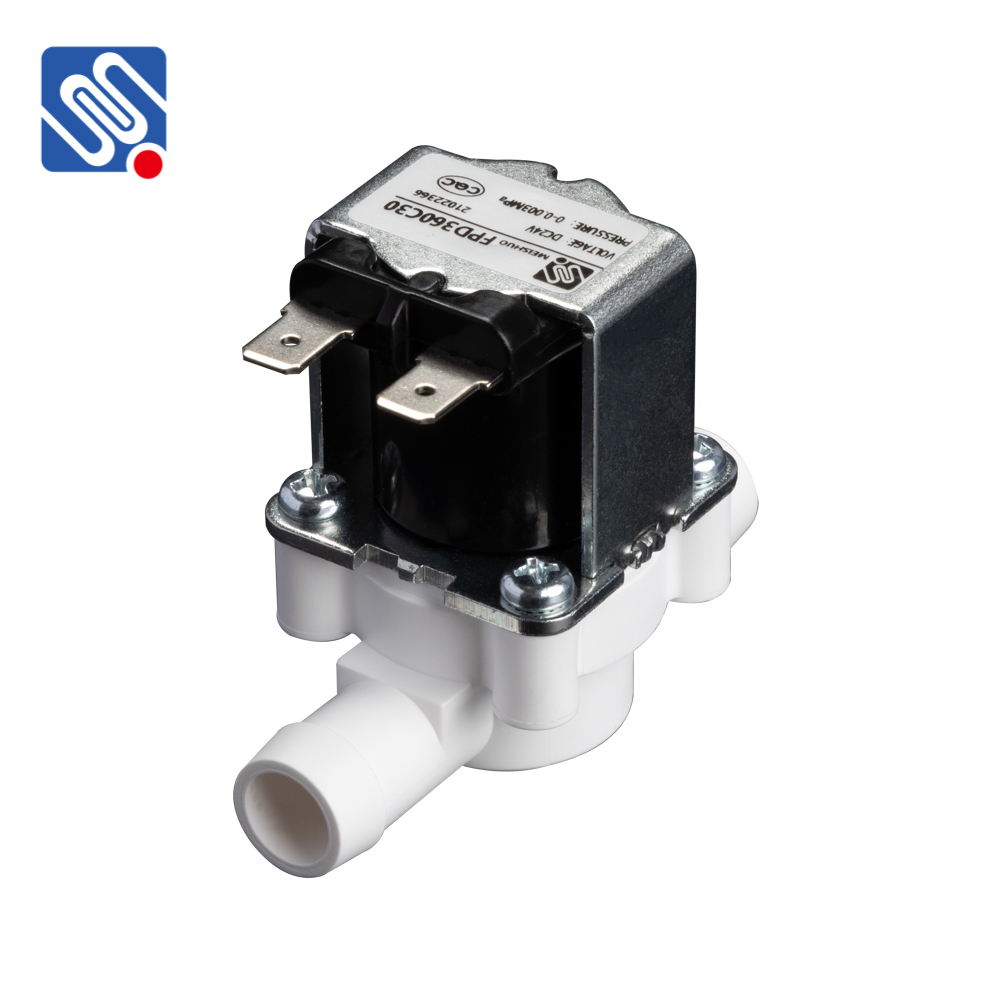
The Working Principle A low voltage solenoid valve operates by utilizing an electromagnetic coil and an internal mechanism (often a plunger or a diaphragm) that opens or closes the valve. When electrical current flows through the coil, it generates a magnetic field, attracting the plunger or diaphragm against the opposing force of a spring. This action either opens or closes the valve, allowing or restricting fluid flow. The valve returns to its original state when the electrical current is disconnected, thanks to the spring’s tension. This quick response time makes solenoid valves ideal for applications requiring precise control over fluid systems.
Leave a Reply