Low-power relays are essential components in modern electronics, playing a significant role in controlling circuits while consuming minimal power. With the rapid development of smart devices and IoT (Internet of Things) applications, the need for efficient, energy-saving solutions has become more important than ever. This article explores the characteristics, applications, and advantages of low-power relays in various systems.
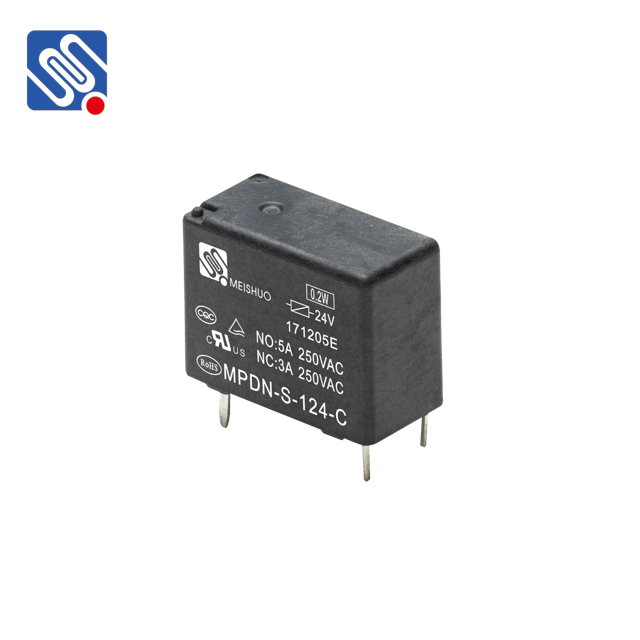
What is a Low-power Relay? A low-power relay is a type of electromagnetic switch designed to control electrical circuits with minimal power consumption. Unlike traditional relays, which often require higher currents and voltages to operate, low-power relays are optimized for energy efficiency. These relays typically use smaller coils and consume less power, making them ideal for applications in devices that require minimal energy consumption, such as battery-powered electronics or microcontroller-based systems. Key Features of Low-power Relays Minimal Coil Power Consumption: One of the main advantages of low-power relays is their reduced coil power usage. While standard relays might consume several hundred milliwatts of power, low-power relays operate at just a fraction of that, usually in the range of tens to hundreds of milliwatts.
Leave a Reply