In industrial and commercial environments, safety is paramount. One of the most essential safety practices utilized in such settings is known as the Lockout/Tagout (LOTO) system, commonly referred to as “Loto Lock.” This safety protocol is designed to prevent accidents and injuries during maintenance or repair work on machinery and equipment. Understanding Loto Lock procedures can significantly enhance workplace safety and ensure compliance with occupational health and safety regulations.
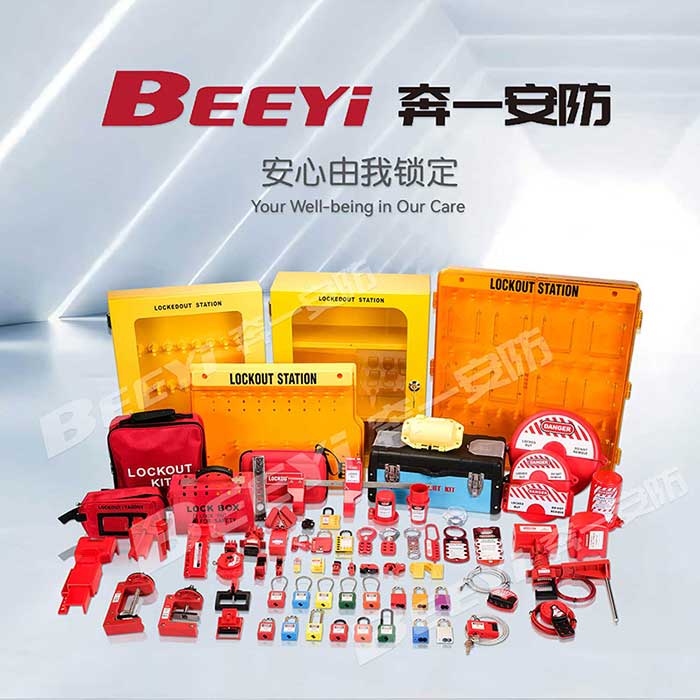
At its core, the Loto Lock procedure involves using locks and tags to secure the energy sources of machinery, thereby preventing machines from being inadvertently energized while maintenance work is being performed. The purpose of this practice is to protect employees from hazardous energy releases, thereby reducing the risk of accidents that could lead to serious injuries or fatalities. The first step in implementing a Loto Lock procedure is to identify the machinery that requires maintenance. Before any work begins, technicians must communicate their intentions to relevant personnel, notifying them that the machinery will be taken out of service. This open communication ensures that all employees are aware of potential hazards and reinforces a culture of safety within the workplace.
Leave a Reply