In industries where machinery and equipment are pivotal to operation, ensuring workers’ safety during maintenance and servicing tasks is of utmost importance. One critical method to protect workers from accidental machine start-up is the Lockout/Tagout (LOTO) procedure, which utilizes Lock Out Tags as a vital component. This article explores the significance, implementation, and best practices associated with Lock Out Tags in maintaining a safe working environment.
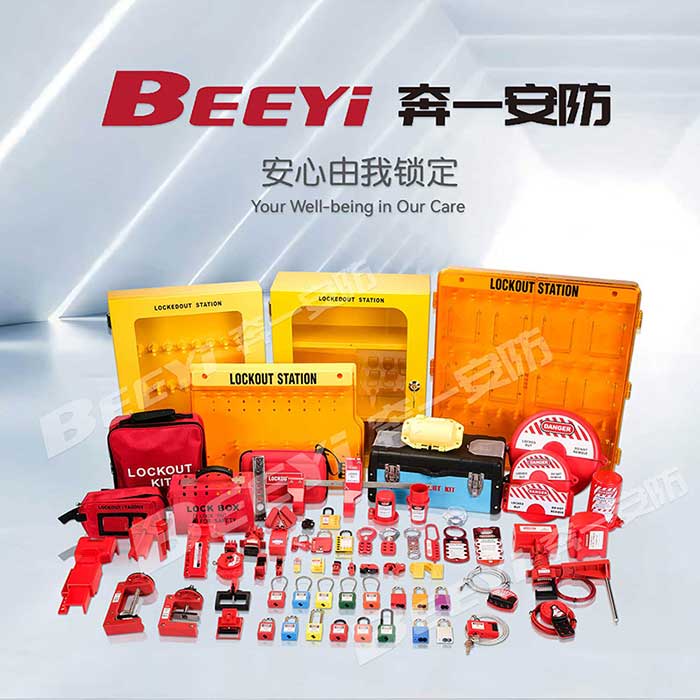
The Lockout/Tagout procedure is a safety protocol used to ensure that machines are properly shut off and not able to be started up again prior to the completion of maintenance or servicing work. The process of Lockout involves the use of specific locks on the energy-isolating devices of the machinery, while Tagout refers to the use of tags to communicate critical information to others. Lock Out Tags serve as visual warnings, indicating that equipment is under maintenance, and should not be operated until the tags are removed. Importance of Lock Out Tags The significance of Lock Out Tags cannot be overstated. They act as a crucial reminder to maintenance personnel and co-workers that a piece of equipment is not safe to operate. When employees see a Lock Out Tag, they are made acutely aware that the equipment it is attached to is undergoing maintenance or that there are specific hazards associated with its operation. This visual cue helps prevent unauthorized use and drastically reduces the risk of accidents such as sudden machinery operation, which could lead to severe injuries or fatalities.
Leave a Reply