Industrial Timer Relays play a crucial role in the automation and control systems of industrial equipment. These devices control the timing of various operations in machinery, ensuring smooth processes while reducing wear and tear. With diverse applications across industries such as manufacturing, automation, and electrical engineering, the Industrial Timer Relay has become an essential component in optimizing performance. This article delves into the functions, types, and key applications of Industrial Timer Relays, shedding light on their significance in modern industrial operations.
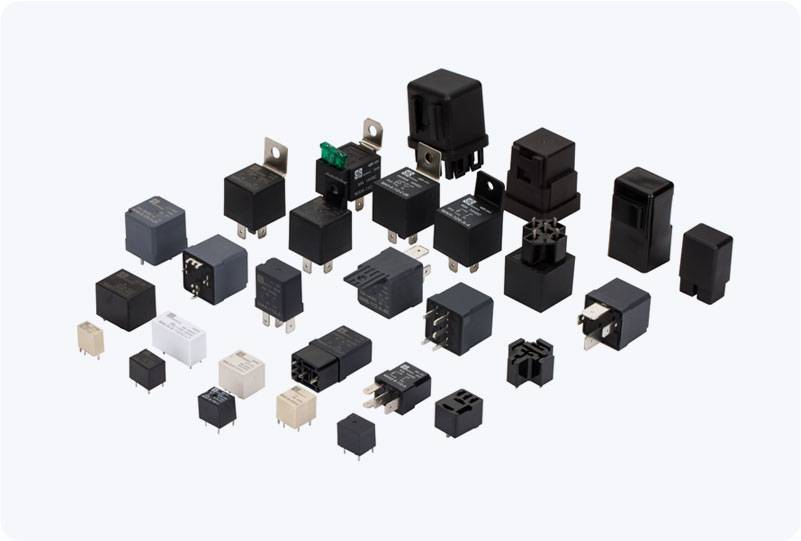
What is an Industrial Timer Relay? An Industrial Timer Relay is a device used to control electrical circuits based on time delays. It can delay the opening or closing of an electrical contact after an input signal is triggered, making it ideal for applications requiring precise control over timing operations. The relay consists of a control mechanism that can either delay the opening or closing of the circuit after a specified time, or operate in a cyclic manner. Industrial Timer Relays are designed to improve control, enhance safety, and ensure machinery operates within predefined time limits. By automating time-based operations, they reduce the need for manual interventions and increase the efficiency of complex processes.
Leave a Reply