The IEC 61811 Power Relay is a critical component in modern electrical systems. It serves as an essential interface in controlling electrical circuits, particularly when managing large currents or controlling devices that require high power. Power relays, under the guidance of IEC 61810 standards, ensure safety, reliability, and longevity in various industrial and commercial applications. This article aims to explore the key features, standards, and applications of IEC 61811 Power Relays.
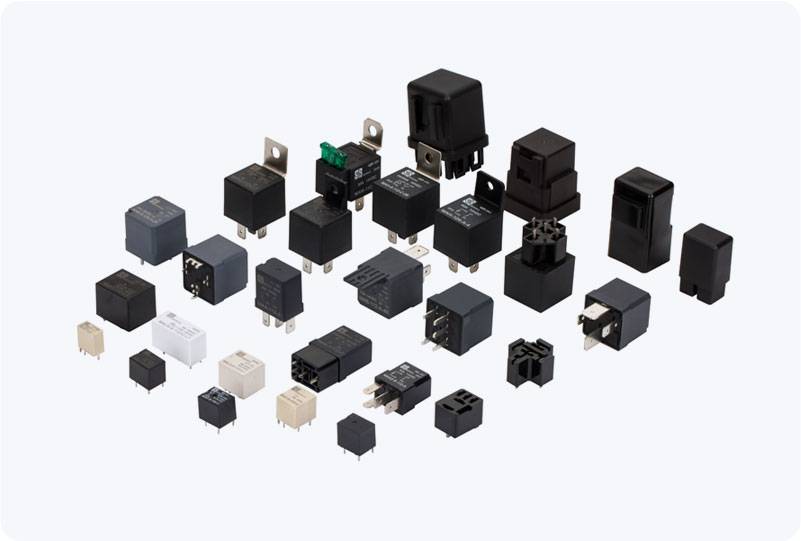
1. Introduction to IEC 61811 Power Relays IEC 61811 is part of the broader IEC 61810 family of standards, which focuses on the performance, safety, and testing of electromechanical relays. The standard specifically addresses Power Relays—a type of electromagnetic relay used to control electrical loads. These relays are designed to handle larger electrical currents and voltages than their signal relay counterparts, making them suitable for power-intensive systems. The IEC 61811 standard specifies requirements for power relays in terms of their electrical characteristics, mechanical reliability, insulation properties, and environmental endurance. It ensures that these relays can perform under various conditions and meet the necessary safety standards for industrial and residential use.
Leave a Reply