A Ground Fault Relay (GFR) is a crucial safety device in electrical power systems designed to detect and mitigate the risks associated with ground faults. A ground fault occurs when an unintended path is created between an electrical circuit and the earth, leading to abnormal current flow that can damage electrical equipment, cause fire hazards, or lead to electric shock risks. The Ground Fault Relay works by detecting this abnormal current and triggering protective actions to ensure the safety of the system and its users.
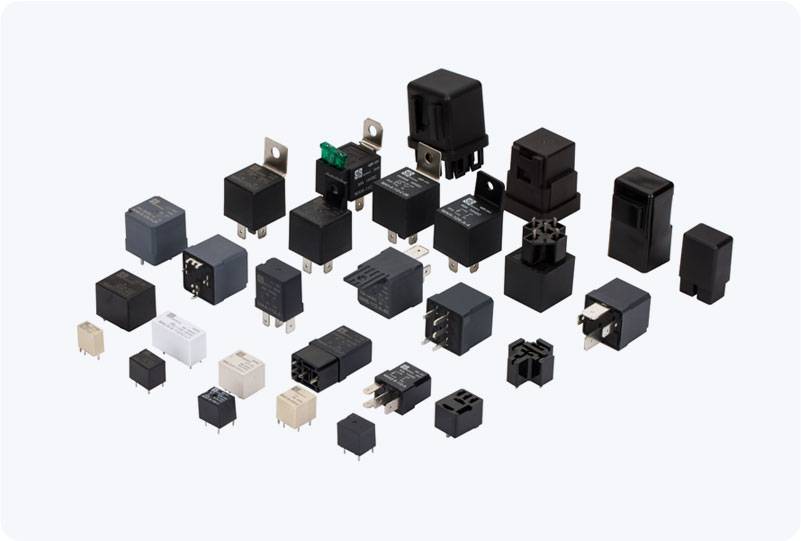
What is a Ground Fault? In electrical systems, a ground fault refers to a situation where current flows unintentionally from a live electrical conductor to the earth or to another grounded object. These faults can occur due to insulation breakdown, physical damage to electrical equipment, or improper wiring. Ground faults can result in severe consequences, including equipment damage, fires, or even fatalities. Therefore, detecting and isolating such faults quickly is essential to prevent further damage or dangerous situations. How Does a Ground Fault Relay Work? Ground Fault Relays are designed to continuously monitor the electrical circuit for any deviations in current flow that might indicate a ground fault. The fundamental principle behind GFR operation is to detect an imbalance between the phases of the electrical system, which occurs when a fault causes one or more conductors to make contact with the ground.
Leave a Reply