Ground Fault Relays (GFR) are crucial components in electrical protection systems, designed to detect and mitigate ground faults, which occur when electrical current flows through an unintended path to the ground. These faults can lead to dangerous conditions, such as equipment damage, electrical fires, or even harm to personnel. In this article, we will explore the principles, operation, applications, and benefits of Ground Fault Relays, as well as how they help maintain the safety and integrity of electrical systems.
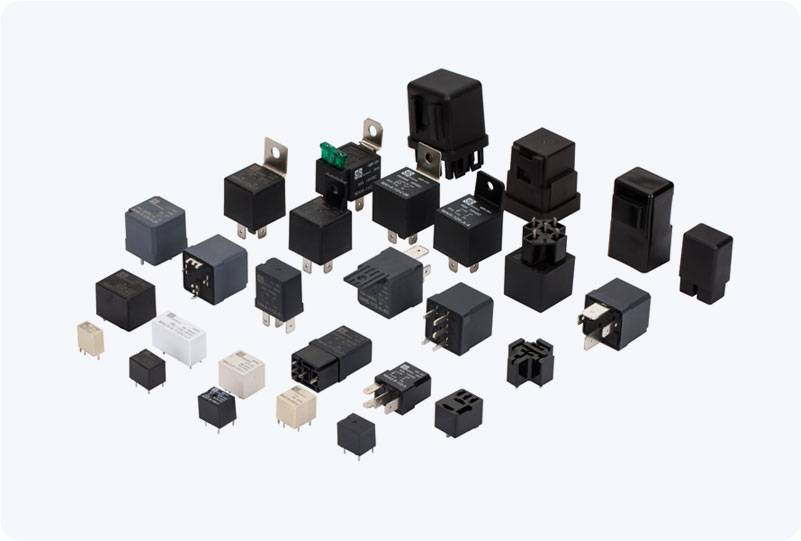
What is a Ground Fault Relay? A Ground Fault Relay is an electrical protection device used to detect ground faults in an electrical system. A ground fault occurs when there is an unintended connection between an electrical circuit and the earth or ground, allowing current to flow along an undesired path. This can happen due to insulation failure, equipment malfunctions, or accidental contact between conductors and the earth. The primary function of a Ground Fault Relay is to monitor the electrical system for any abnormal current flow that may indicate a ground fault. Once a fault is detected, the relay will activate and trigger a protective response, such as disconnecting the faulty circuit or alarming operators. By doing so, it prevents potential damage to equipment, ensures the safety of personnel, and helps maintain the operational integrity of the system.