A general-purpose relay is a fundamental electrical device that plays an essential role in various automation and control systems. It serves as an electrically operated switch that allows a low-power control signal to control a high-power circuit. In this article, we will explore the working principle, applications, advantages, and limitations of general-purpose relays, shedding light on why they are a crucial element in modern electrical systems.
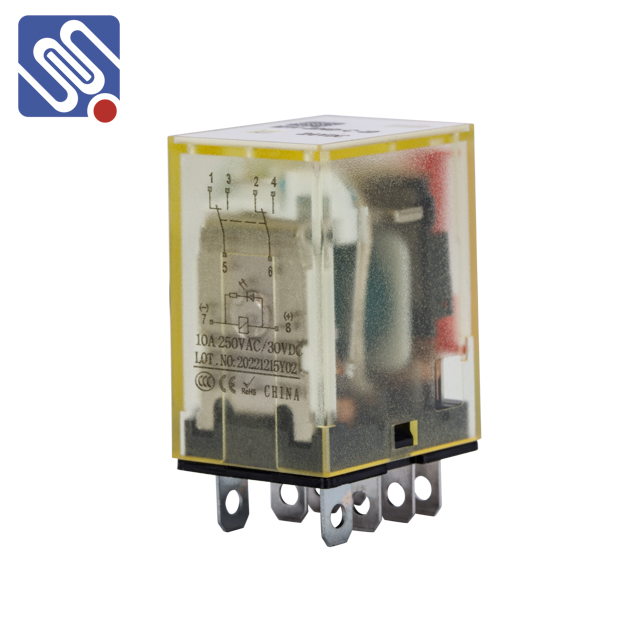
What is a General-purpose Relay? A general-purpose relay is an electromagnetic switch that uses a low-power electrical signal to control the opening and closing of contacts in a high-power circuit. The device comprises a coil, contacts, and an armature. When a current passes through the coil, it creates a magnetic field that activates the armature, causing the contacts to change state. This allows a control circuit to turn on or off a power circuit, enabling automation and safety in various systems. There are two primary types of contacts in a general-purpose relay: Normally Open (NO) Contacts: These contacts remain open (disconnected) when the relay is not energized. When the relay is activated, the contacts close, completing the circuit.
Leave a Reply