Element heaters are a common and vital component in many heating systems, ranging from household appliances to industrial machinery. These heating elements are designed to convert electrical energy into heat through a simple yet efficient process. In this article, we will explore how element heaters function, their various applications, and why they are so essential in modern technology.
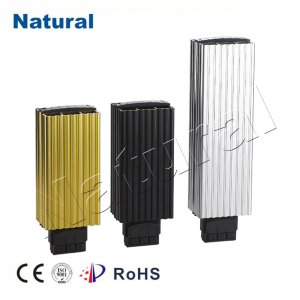
What is an Element Heater?
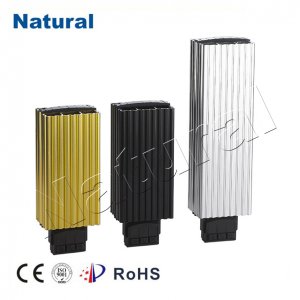
An element heater, also known as a heating element, is a device used to produce heat through the resistance of an electrical conductor. The basic principle behind these heaters is simple: when an electrical current passes through a conductive material, the material resists the current, causing it to heat up. This heat is then transferred to the surrounding air or fluid, warming the environment or the substance being heated. Element heaters are typically made of materials with high electrical resistance, such as nichrome (a combination of nickel and chromium), tungsten, or other metal alloys. These materials are specifically chosen for their ability to generate significant heat without melting or degrading when subjected to high temperatures.
Leave a Reply