Electromechanical relays (EMRs) have been a cornerstone in electrical and automation systems for decades. These electromechanical devices, although often overshadowed by modern electronic components, continue to offer essential functionalities in a wide range of applications. From industrial automation to household appliances, electromechanical relays play a significant role in controlling high-power circuits with low-power signals. In this article, we will delve into the working principles, advantages, and various applications of electromechanical relays.
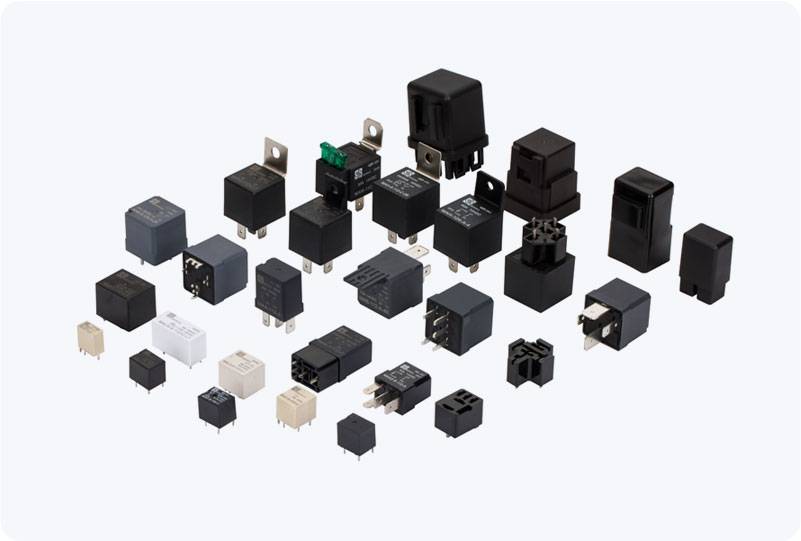
What is an Electromechanical Relay? An electromechanical relay is a device that uses an electromagnet to mechanically operate a switch. The main components of a typical EMR include a coil (electromagnet), a movable armature, contacts, and a spring mechanism. When an electric current flows through the coil, it generates a magnetic field that pulls the armature toward it. This movement opens or closes the relay contacts, thus enabling or interrupting the flow of electricity in the controlled circuit. EMRs typically have two types of contacts: Normally Open (NO), which remain open until the relay is activated, and Normally Closed (NC), which are closed until activation. The contacts can be used to switch both AC and DC circuits, and they vary in size and capacity depending on the specific relay model.
Leave a Reply