As the world shifts towards sustainable transportation, electric vehicles (EVs) have emerged as front-runners in reducing carbon emissions and promoting eco-friendly mobility solutions. At the heart of these technological marvels lies an essential component known as the Electric Vehicle High Voltage Relay (HVR). This article explores the significance, functionality, safety aspects, and future trends related to this critical component that plays a vital role in the operation of electric vehicles.
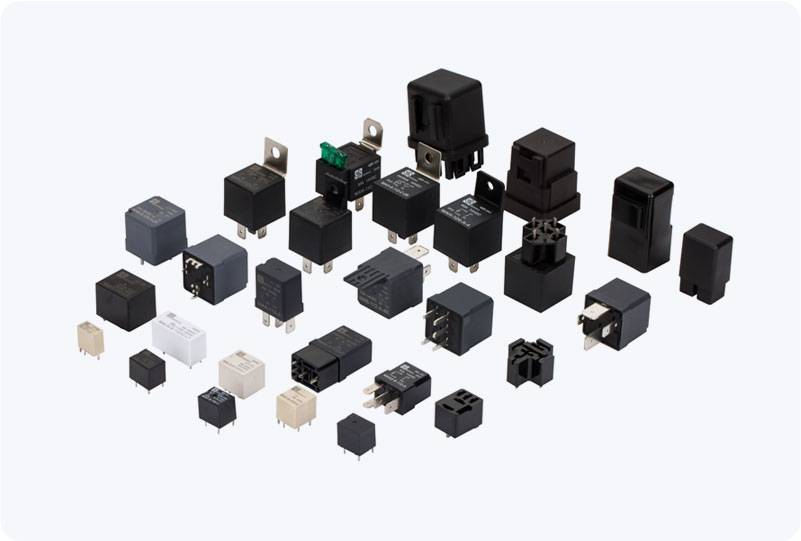
The Role of High Voltage Relays Electric Vehicle High Voltage Relays serve as the gatekeepers of high-voltage electrical systems in EVs. High Voltage Relays are responsible for controlling the electrical energy flow between the battery and various components, including the electric motor. This control is crucial for ensuring that electric power is delivered efficiently and safely, while also managing the overall performance of the vehicle’s powertrain. The primary function of the HVR is to open and close the circuit that connects the high-voltage battery to the vehicle’s electric drive system. When the vehicle is powered on, the relay connects the battery to the motor, allowing the vehicle to operate. Conversely, in the event of an emergency or fault, the relay will disconnect the battery, cutting off the power supply to minimize risks such as fires or electrical shocks.
Leave a Reply