Electric flange ball valves are becoming increasingly popular in various industrial applications due to their reliability, precision, and automation capabilities. As industries grow more dependent on automated systems, these valves offer a critical solution for controlling the flow of liquids and gases in complex systems. Combining the well-established design of the ball valve with the convenience of electric actuators, electric flange ball valves ensure seamless integration into modern control systems. In this article, we will explore the design, advantages, and common applications of electric flange ball valves and why they are considered the future of fluid control.
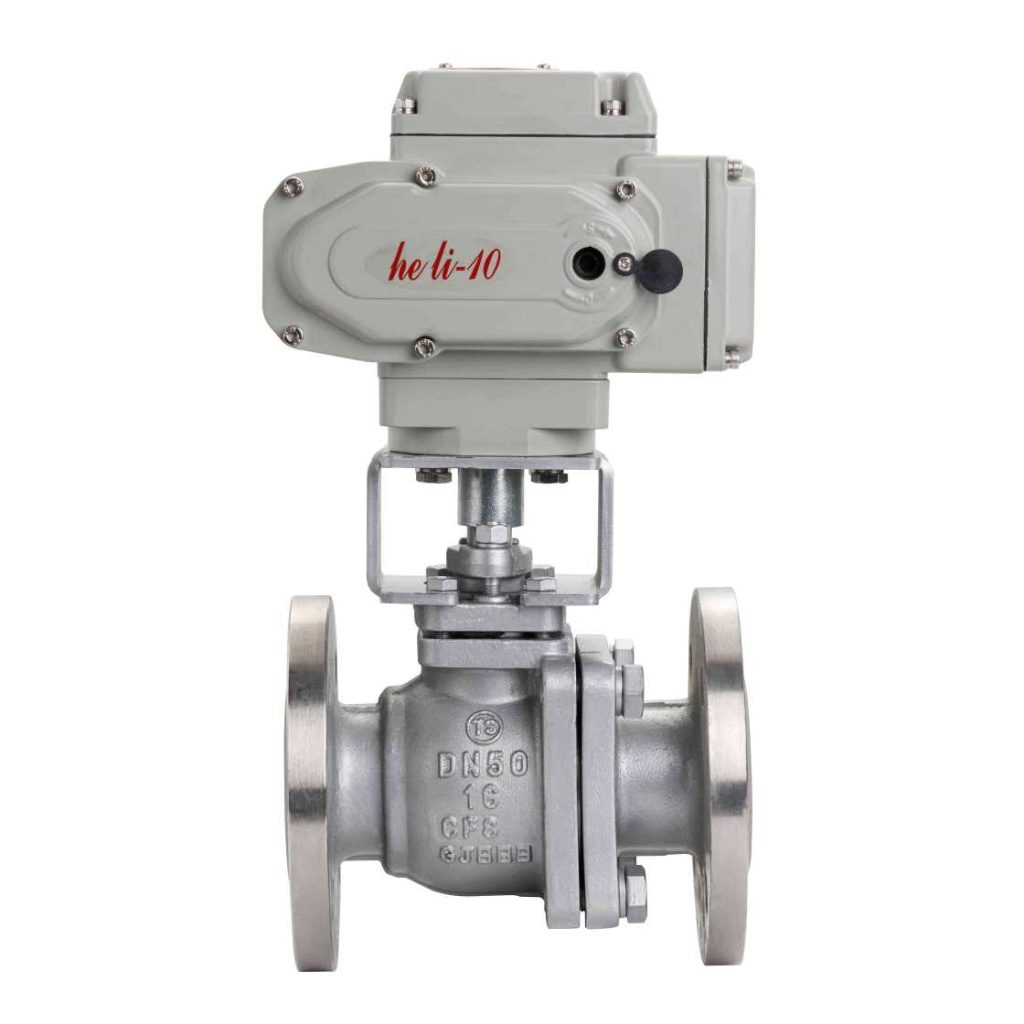
What is an Electric Flange Ball Valve?
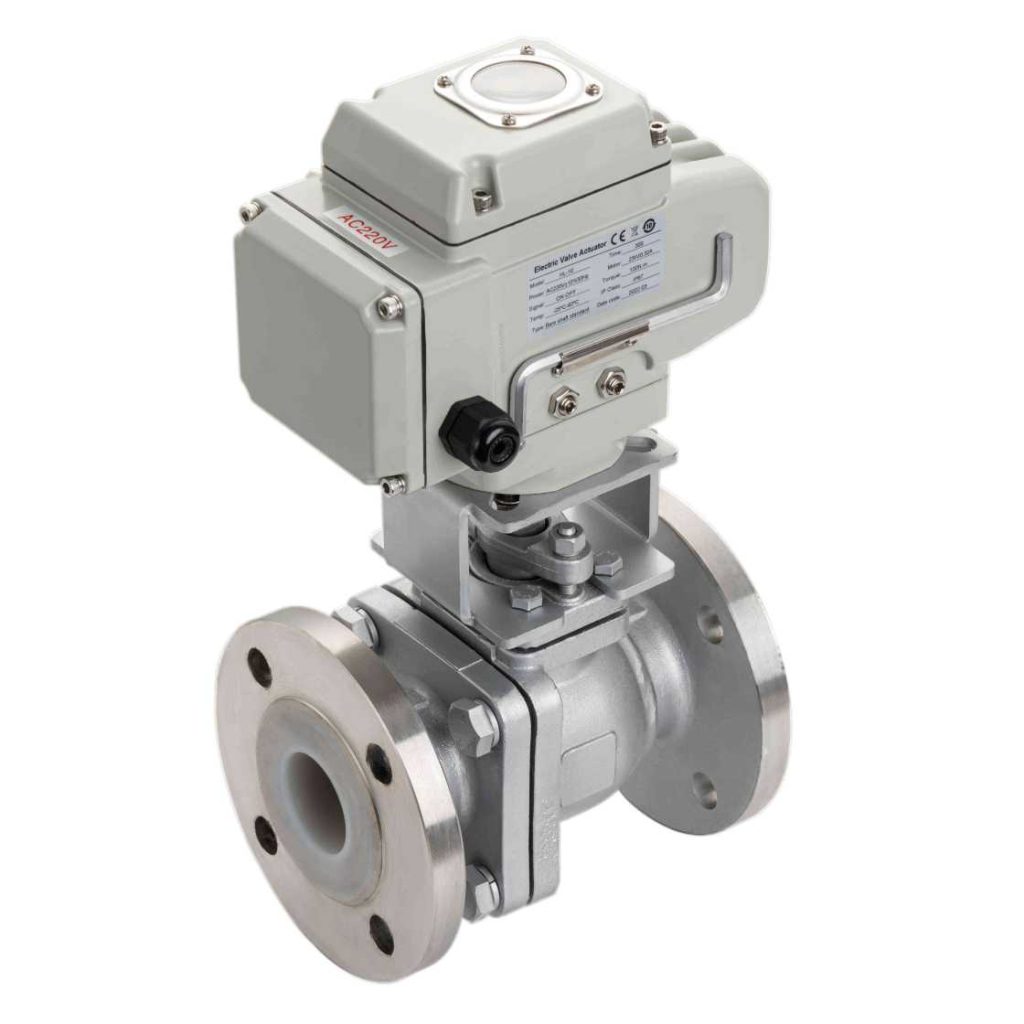
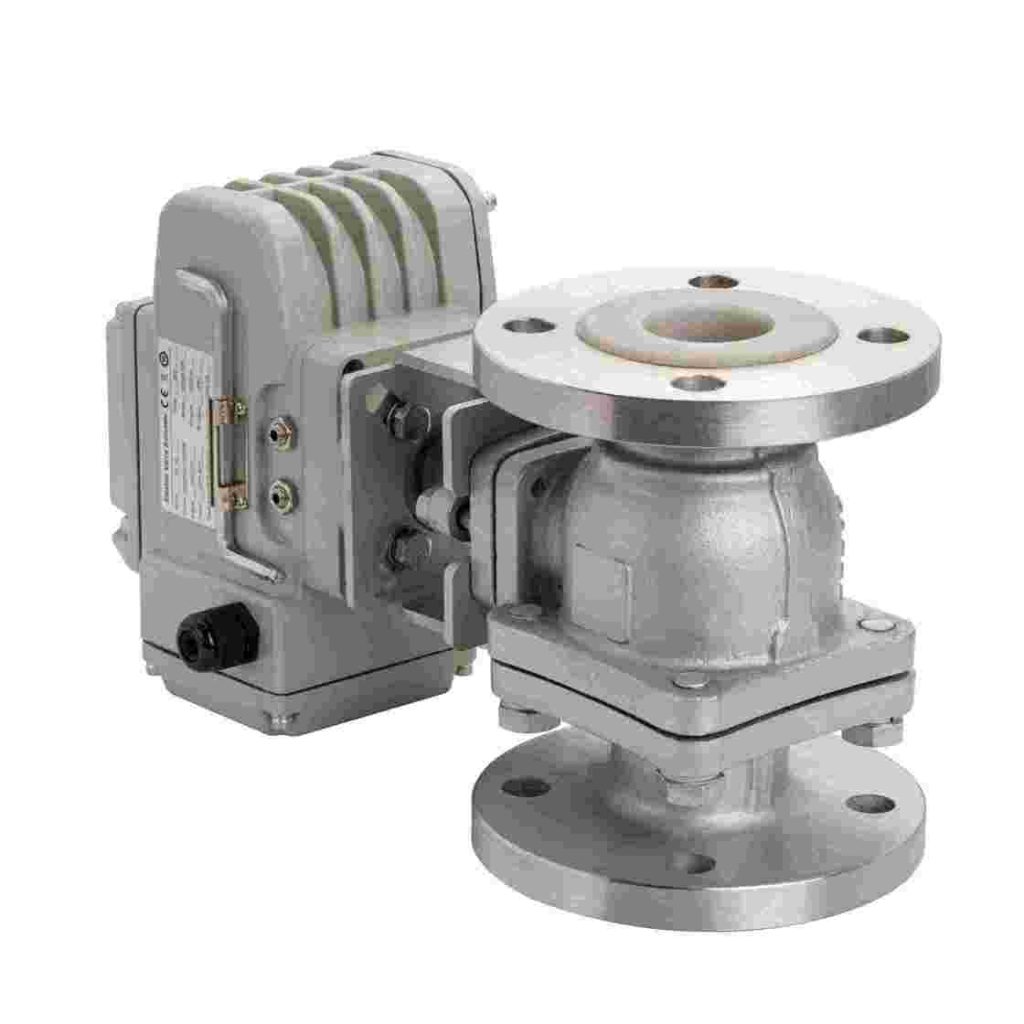
At its core, an electric flange ball valve is a type of ball valve equipped with an electric actuator. The ball valve, known for its durability and reliable sealing ability, uses a spherical closure element with a hole that aligns with the pipe when the valve is open. The valve’s position is adjusted by rotating the ball, either allowing or blocking the flow of fluid. The electric actuator, powered by electricity, replaces the manual or pneumatic operation commonly seen in traditional ball valves. It provides an automated means of controlling the valve, enabling precise and reliable opening or closing based on preset commands. The flange connection of the valve allows it to be easily bolted to pipes, providing a secure and leak-proof seal.
Leave a Reply