DC Solenoid Valve is an essential component used in fluid control systems, widely recognized for its ability to regulate the flow of liquids and gases efficiently. Unlike AC solenoid valves, DC solenoid valves are powered by direct current (DC), making them suitable for applications where precise control and lower power consumption are crucial. This article aims to delve into the working principle, types, applications, and advantages of DC solenoid valves, providing a comprehensive understanding of this important industrial device.
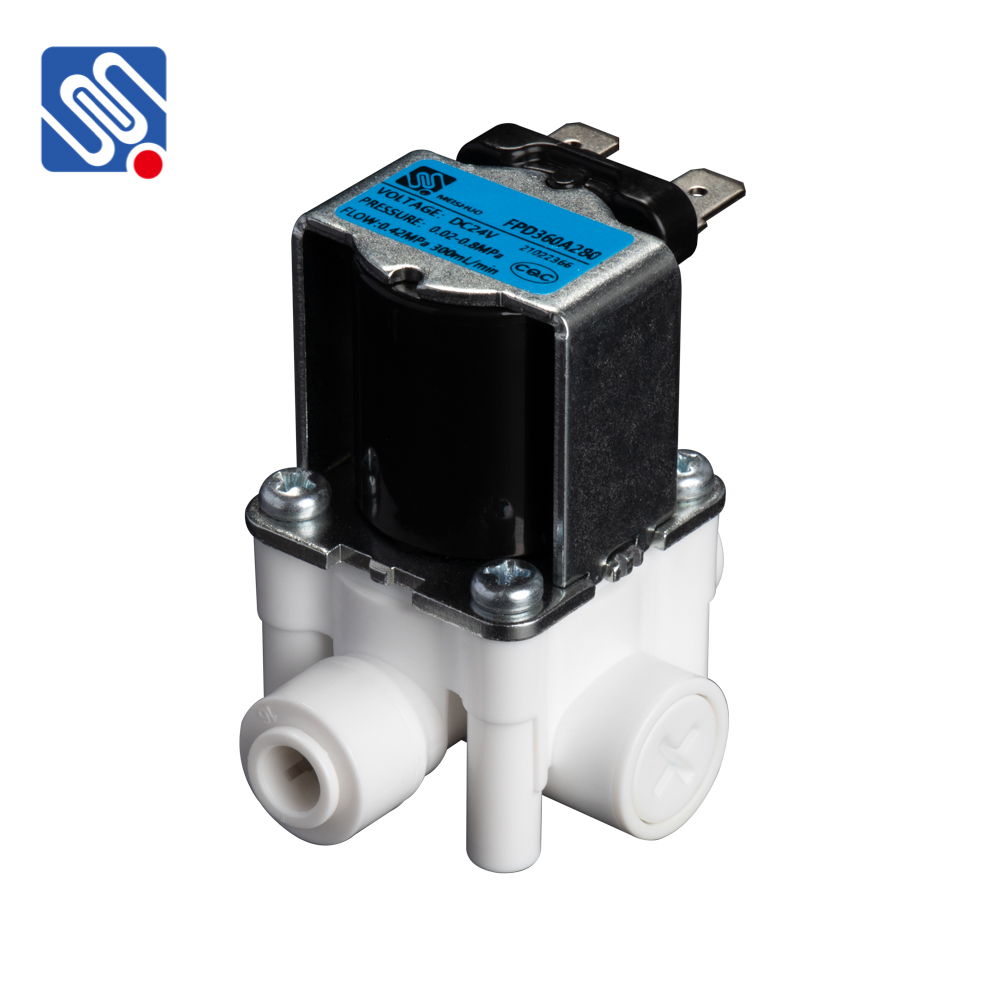
Working Principle of DC Solenoid Valve At the heart of a DC solenoid valve is an electromagnet, or solenoid, that controls the movement of a plunger or armature to open or close the valve. When a DC voltage is applied to the solenoid coil, a magnetic field is generated, attracting the plunger and either opening or closing the valve. The action of the valve depends on the configuration of the valve and the type of application it serves. In a normally closed (NC) configuration, the valve remains shut when not powered, and when the DC current is applied, the valve opens to allow fluid flow. On the other hand, in a normally open (NO) configuration, the valve is open when unpowered and closes when the solenoid is energized. This simple yet effective mechanism enables precise control of fluid flow with minimal mechanical parts involved.
Leave a Reply