In modern buildings, energy efficiency and indoor comfort are paramount. One of the critical components that aids in achieving these objectives is the damper actuator. This device plays a significant role in regulating airflow through HVAC (Heating, Ventilation, and Air Conditioning) systems. By understanding the functionalities and significance of damper actuators, we can better appreciate their essential contribution to airflow management and overall system efficiency.
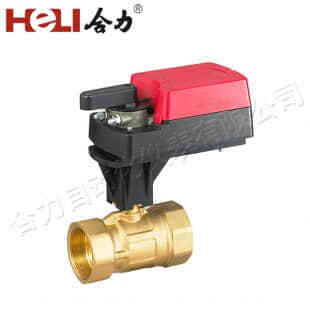
What is a Damper Actuator?
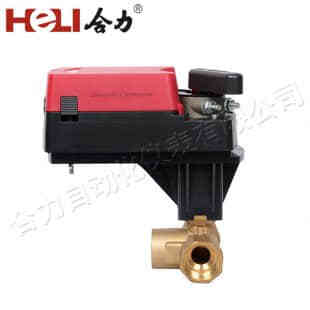
A damper actuator is an automatic control device designed to adjust the position of dampers (including air dampers) in air handling systems. These dampers control the flow of air into and out of different areas of a building, helping maintain desired environmental conditions such as temperature and humidity. The damper actuator can be powered by electric, pneumatic, or hydraulic means, each with its advantages and applications depending on system requirements. How Does a Damper Actuator Work? The working principle of a damper actuator is relatively straightforward. When linked to a control system, the actuator receives signals that instruct it to open or close the damper to a certain degree. These signals can originate from various sources, such as temperature sensors, humidity sensors, or even programmable thermostats.
Leave a Reply