Current Overload Relay (COR) is an indispensable device in modern electrical systems, particularly in motor protection. It serves to protect electric motors from the damage caused by excessive current. Overloading an electric motor can lead to overheating, insulation breakdown, and ultimately, failure of the motor. This article delves into the importance of Current Overload Relays, their working principles, types, and applications, emphasizing their role in maintaining the longevity and efficiency of electrical systems.
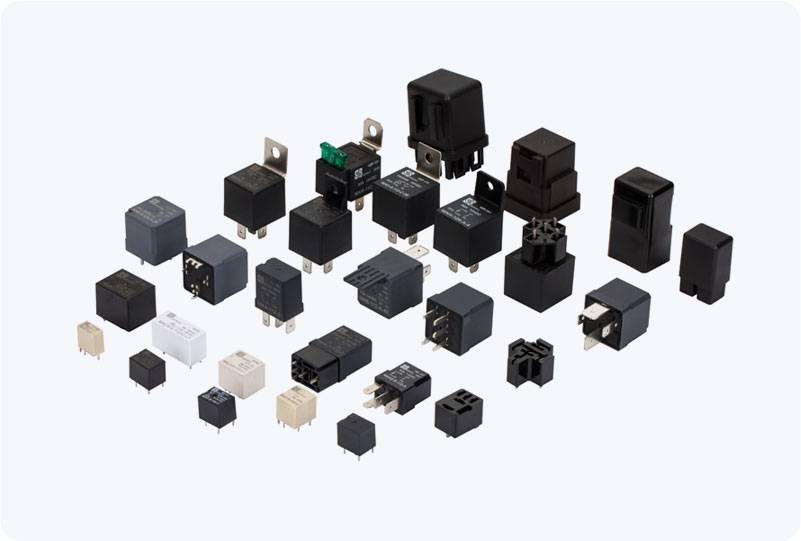
What is a Current Overload Relay? A Current Overload Relay is a safety device designed to prevent electric motors from operating under excessive electrical load conditions. It monitors the current flowing through the motor and compares it to a preset value. If the current exceeds this threshold, indicating that the motor is overloaded, the relay trips and disconnects the power supply to the motor. This interruption helps to prevent the motor from suffering damage due to overheating, which can occur when a motor runs at higher than normal current levels for an extended period. Working Principle of Current Overload Relays
Leave a Reply