Car relays are essential components in modern automotive electrical systems. These small yet powerful devices act as electrical switches that control high-current loads, enabling automotive circuits to function effectively while providing safety and efficiency. Understanding the various types of car relays can enhance your knowledge of vehicle electrical systems, assist in diagnosis, or help in enhancing your vehicle’s performance. This article explores the different types of car relays, their functions, and applications.
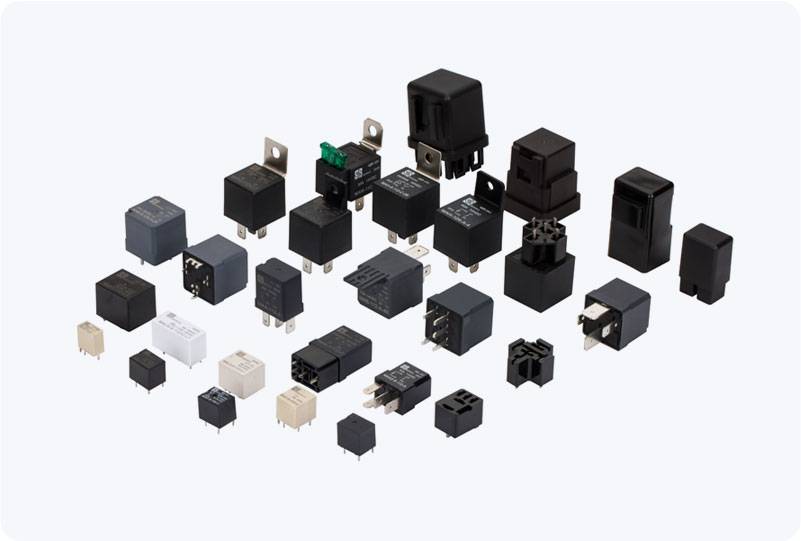
1. Power Relays Power relays are designed to control high-power loads such as headlights, electric fans, and fuel pumps. These relays are typically rated for high currents and voltages, allowing them to switch heavy loads without overheating. Power relays usually feature robust contacts made from materials like silver alloy, designed to handle repeated switching operations without wearing out quickly. Due to their capacity, power relays play a pivotal role in reducing the load on conventional switches, thus prolonging their lifespan. 2. Signal Relays Unlike power relays, signal relays handle lower currents and are often used in applications where small signals need to control larger ones. For instance, they might be utilized in electronic control units (ECUs) for various sensors and instrumentation within the car. Signal relays are crucial in automotive electronics, as they provide a means to isolate components from the high voltage of the vehicle’s main electrical system, thus protecting sensitive devices from potential damage.
Leave a Reply