Automotive electrical systems are an essential part of modern vehicles, responsible for powering everything from headlights to fuel pumps. At the heart of many of these systems lies an often-overlooked component: the car relay. Understanding the various types of car relays can provide insights into their functions, applications, and benefits, making it easier for vehicle owners and technicians to diagnose issues and implement repairs. Let’s delve into the most common car relay types, their characteristics, and uses.
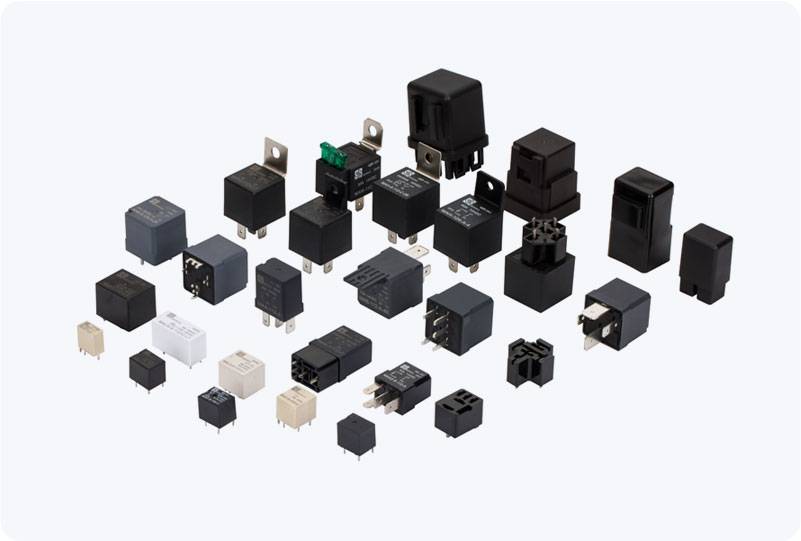
What is a Car Relay? A car relay is an electromechanical switch that uses a small amount of electrical current to control a larger current. This is essential in automotive applications where various devices—such as lights, fans, and motors—require significantly higher currents than what standard switches can handle. By using relays, automakers can efficiently and safely control electrical circuits while minimizing the risk of switch failure or overheating. Common Types of Car Relays
Electromagnetic Relay The electromagnetic relay is the most common type found in vehicles. It consists of an electromagnet and a set of contacts. When a current passes through the coil, it generates a magnetic field that moves the relay armature, opening or closing the contacts. Electromagnetic relays are widely used for controlling high-power devices, such as car starters, lighting systems, and air conditioning systems.