Automotive relays play a crucial role in modern vehicles by enabling efficient electrical control in various systems. From controlling lights and air conditioning to powering essential safety features, automotive relays are indispensable components in ensuring the proper functioning of a car’s electrical network. This article will delve into the significance of automotive relays, their function, types, applications, and the importance of maintaining them for a reliable vehicle.
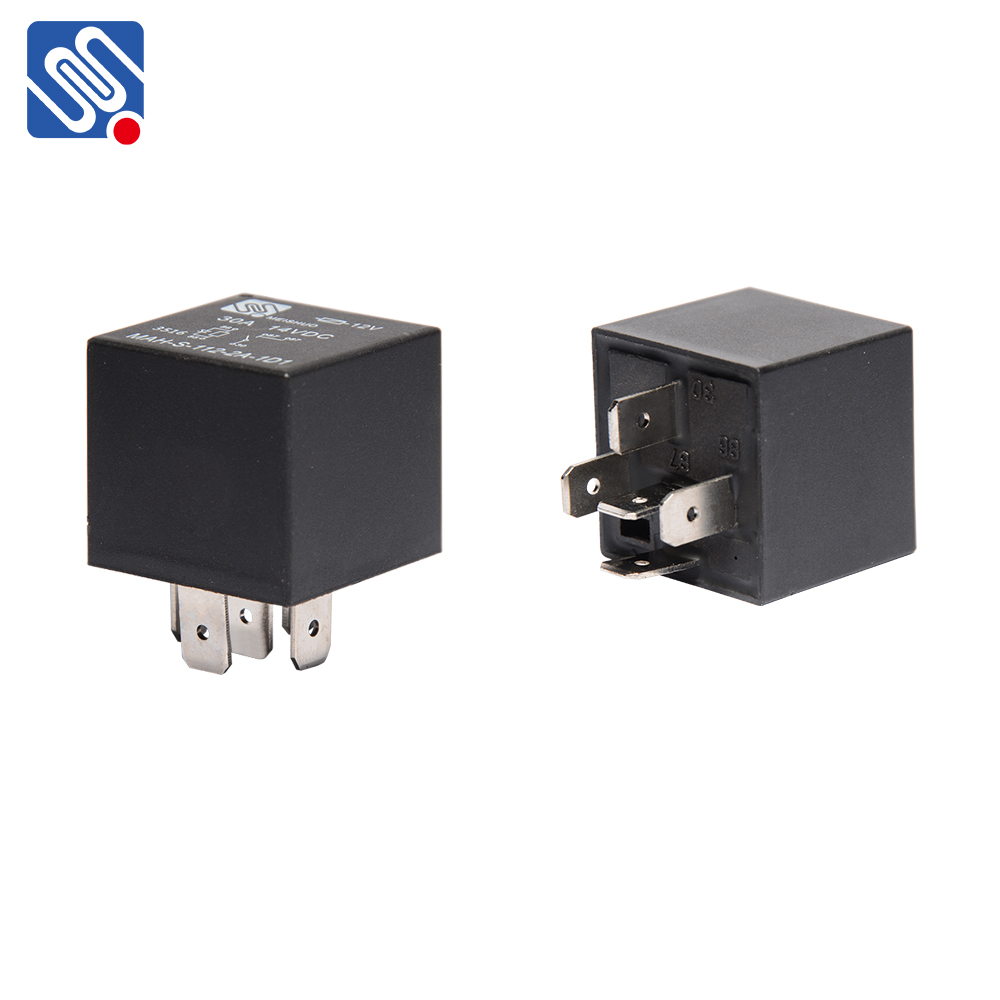
What is an Automotive Relay? An automotive relay is an electrically operated switch that uses a low-current signal to control high-current circuits. It consists of an electromagnet (coil) and a set of contacts that open or close depending on whether the relay is energized. When current flows through the coil, it generates a magnetic field that pulls or releases the contacts, allowing the relay to control a circuit. Relays are typically used to control the flow of current to various components, such as the starter motor, headlights, horns, or other critical systems, without requiring the primary control circuit to handle the high power needed for these functions.
Leave a Reply