Automotive relays are fundamental components of automotive electrical systems, playing a crucial role in controlling electrical circuits within vehicles. They function as electrically operated switches, allowing small amounts of current to control larger currents, thus providing a safe and efficient means of managing various electrical components. Understanding automotive relays is essential for anyone involved in vehicle maintenance, repair, or design, as they directly impact the performance and reliability of the vehicle’s electrical systems.
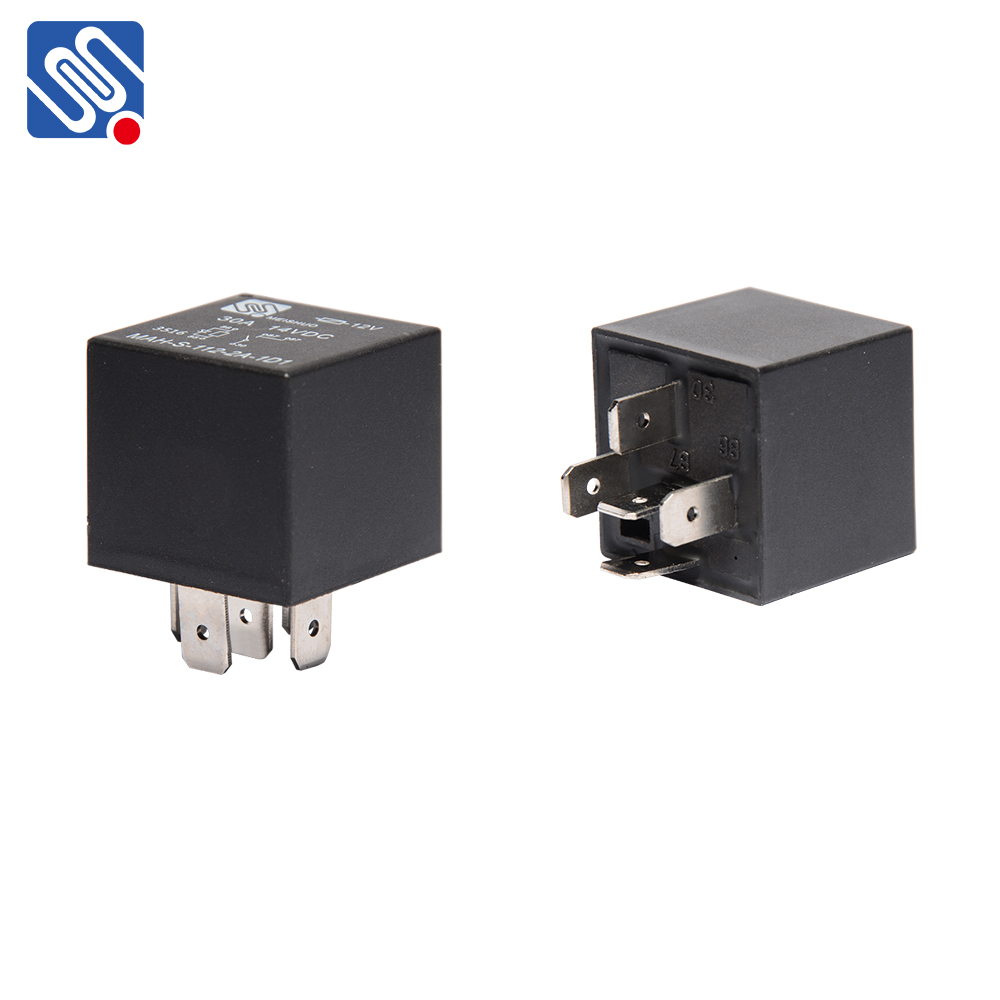
The Working Principle of Automotive Relays At the core of an automotive relay is an electromagnetic coil and a set of contact points. When a small current passes through the coil, it generates a magnetic field, which attracts a metal armature. This movement opens or closes the contact points, switching the circuit on or off. This electromagnetic principle allows a relay to control high-power devices—such as headlights, fuel pumps, and air conditioning systems—with low-power signals. Types of Automotive Relays Automotive relays come in various types, each designed to perform specific functions: