A 220V AC relay is a critical electrical component used in numerous applications that require switching a high-voltage circuit using a low-voltage control signal. With its ability to control electrical devices remotely, relays play a vital role in industrial automation, home appliances, and other electrical systems. In this article, we will explore the working principles, types, applications, and safety considerations of a 220V AC relay.
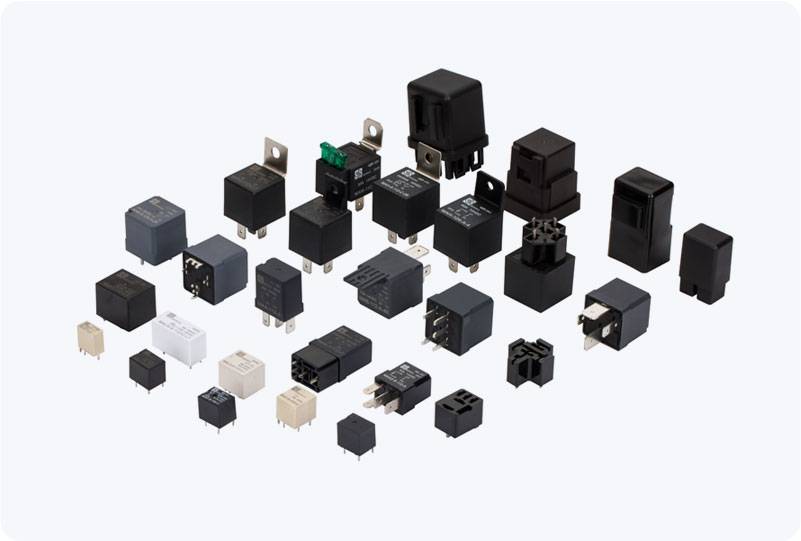
What is a 220V AC Relay? A relay is an electromagnetic switch that allows a small current to control a larger one. The 220V AC relay specifically refers to a relay designed to operate using 220V alternating current (AC) as its input. These relays are designed to open and close electrical circuits by using low-power signals to control high-power devices, such as motors, lighting systems, and heating elements. This makes them invaluable in applications where direct human control of high-voltage systems is impractical or dangerous. Working Principle The working principle of a 220V AC relay revolves around electromagnetic induction. It consists of a coil (also known as the solenoid), an armature, and a set of contacts. When 220V AC is applied to the coil, an electromagnetic field is generated. This field causes the armature to move, which in turn either opens or closes the relay’s contacts.
Leave a Reply