Aluminum heaters are a remarkable innovation in the heating technology sector, renowned for their efficiency, lightweight design, and thermal conductivity. Made primarily from aluminum, these heaters offer numerous advantages that make them suitable for a variety of applications, ranging from household heating to industrial processes. In this article, we will explore the characteristics that set aluminum heaters apart from other heating technologies, their diverse applications, and the considerations to keep in mind when using them.
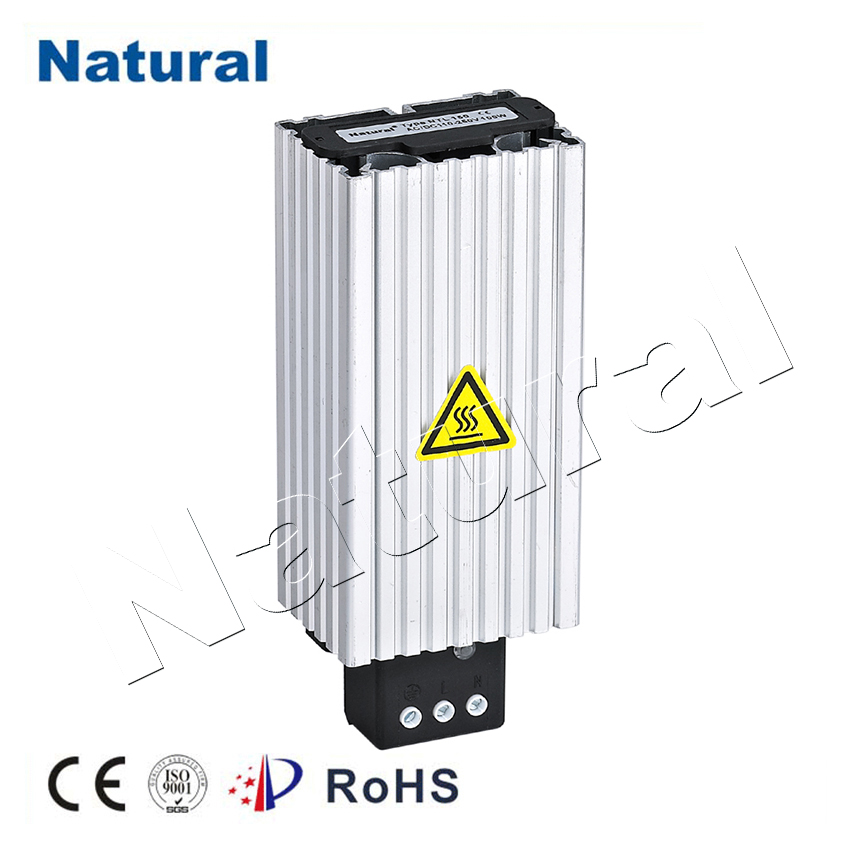
Exceptional Thermal Conductivity
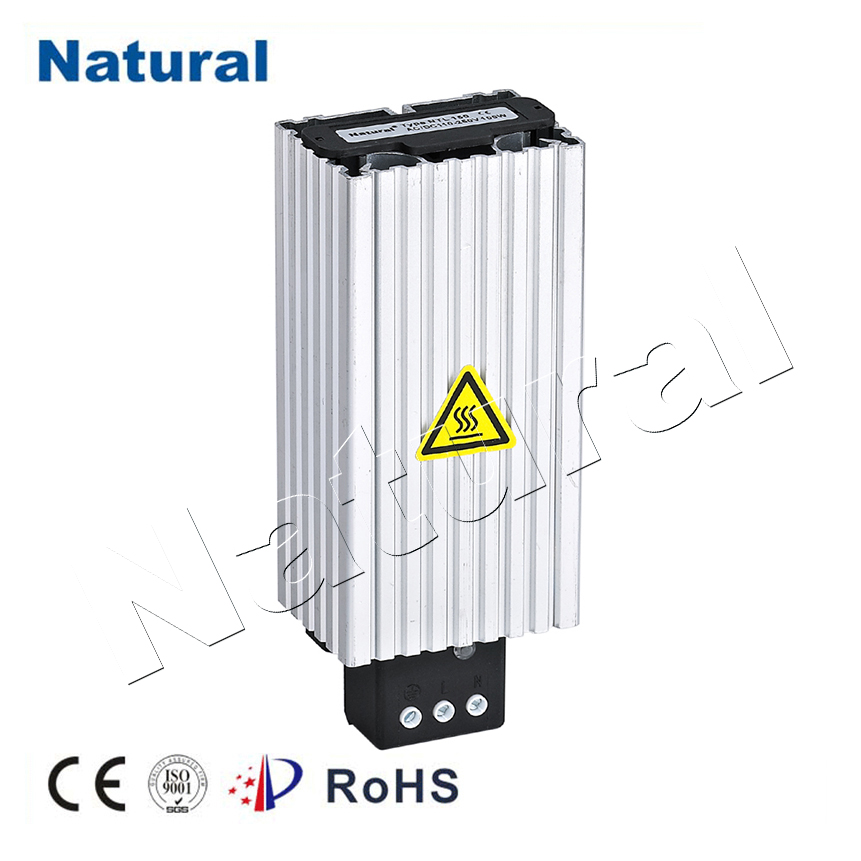
One of the standout features of aluminum heaters is their exceptional thermal conductivity. Aluminum is a metal that can quickly transfer heat, allowing these heaters to warm up rapidly and distribute heat evenly across their surfaces. This characteristic is particularly beneficial in applications where temperature consistency is crucial. For instance, in industrial settings, an aluminum heater can provide uniform heating to various materials, ensuring optimal processing and reducing the risk of defects related to uneven heating. Lightweight and Portable Design Another significant advantage of aluminum heaters is their lightweight design. Compared to other metals, aluminum is significantly less dense, making these heaters easy to install, move, and handle. This portability is particularly advantageous in environments where space is limited or where heaters need to be relocated frequently, such as in workshops or temporary constructions. Users can easily adjust the placement of an aluminum heater to maximize its efficiency without the need for heavy lifting or complicated installations.
Leave a Reply