The introduction of 5G technology is set to revolutionize telecommunications, offering unprecedented speeds and low latencies that pave the way for innovations in various sectors. A critical component of this advanced network infrastructure is the 5G base station relay, which plays a vital role in extending network coverage, enhancing data throughput, and improving overall network efficiency. In this article, we will explore the concept of 5G base station relays, how they function, and their applications in modern wireless communication systems.
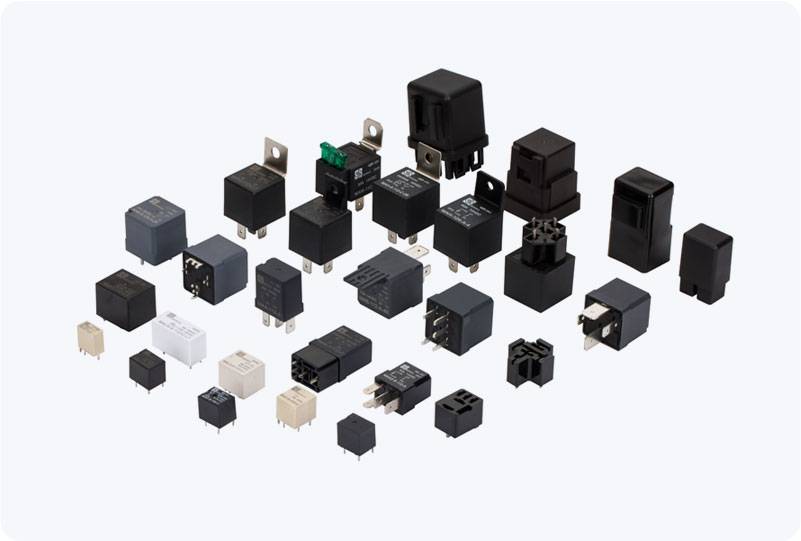
What is a 5G Base Station Relay? A 5G base station relay, also known as a relay node (RN), is a device that acts as an intermediary between the primary 5G base station (gNB) and user equipment (UE). It is a critical part of the network’s architecture, designed to extend coverage and capacity by relaying signals between the base station and the devices that are out of direct coverage range. In simpler terms, it amplifies or forwards data signals to areas where direct transmission from the primary base station would be inefficient or impossible due to distance or obstacles like tall buildings, trees, or geographical features.
Leave a Reply