Automation relay plays a crucial role in modern electrical and industrial control systems, serving as a fundamental component for managing and automating processes. As industries continue to evolve toward smarter and more efficient operations, automation relays have become indispensable in ensuring reliability, safety, and precision in a wide range of applications.
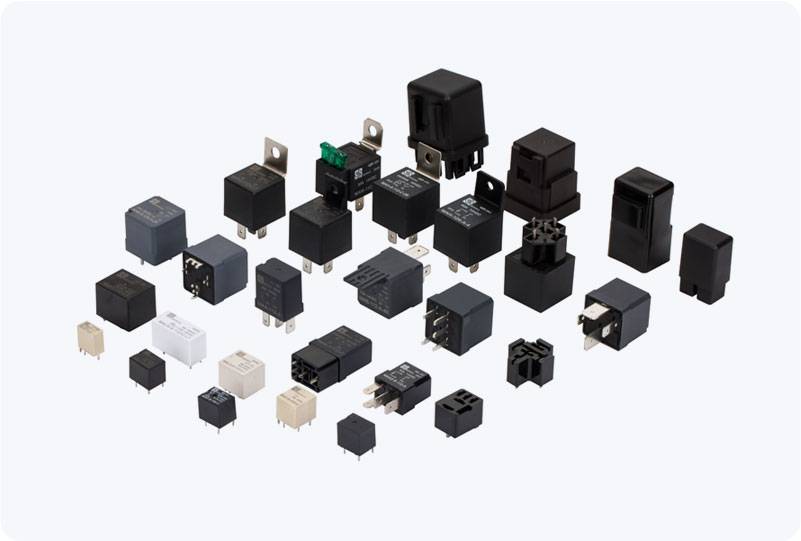
At its core, an automation relay is an electrically operated switch designed to open or close circuits based on input signals. Unlike traditional relays that are often manually controlled or operate under simple conditions, automation relays are integrated into advanced control systems such as programmable logic controllers (PLCs) and distributed control systems (DCS). This integration allows them to respond automatically to changing inputs, such as sensor data, timing conditions, or system logic. The working principle of an automation relay is based on electromagnetism. When an electrical current passes through the relay’s coil, it generates a magnetic field that activates the switching mechanism. This action either completes or interrupts the circuit, enabling precise control of connected devices. In automated environments, this process happens almost instantaneously, ensuring smooth and efficient system performance.
Leave a Reply