In today’s rapidly evolving world, technology is transforming every aspect of our lives, including how we manage indoor environments. One such innovation that has gained considerable attention is the Electronic Thermostat. This device, which is far more advanced than its mechanical predecessors, has revolutionized the way we control heating, ventilation, and air conditioning (HVAC) systems. With features such as precision temperature control, energy-saving capabilities, and convenient programmability, the electronic thermostat is quickly becoming an indispensable tool in homes, offices, and industrial settings alike.
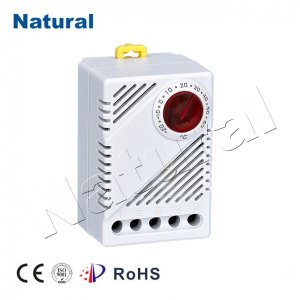
What is an Electronic Thermostat?
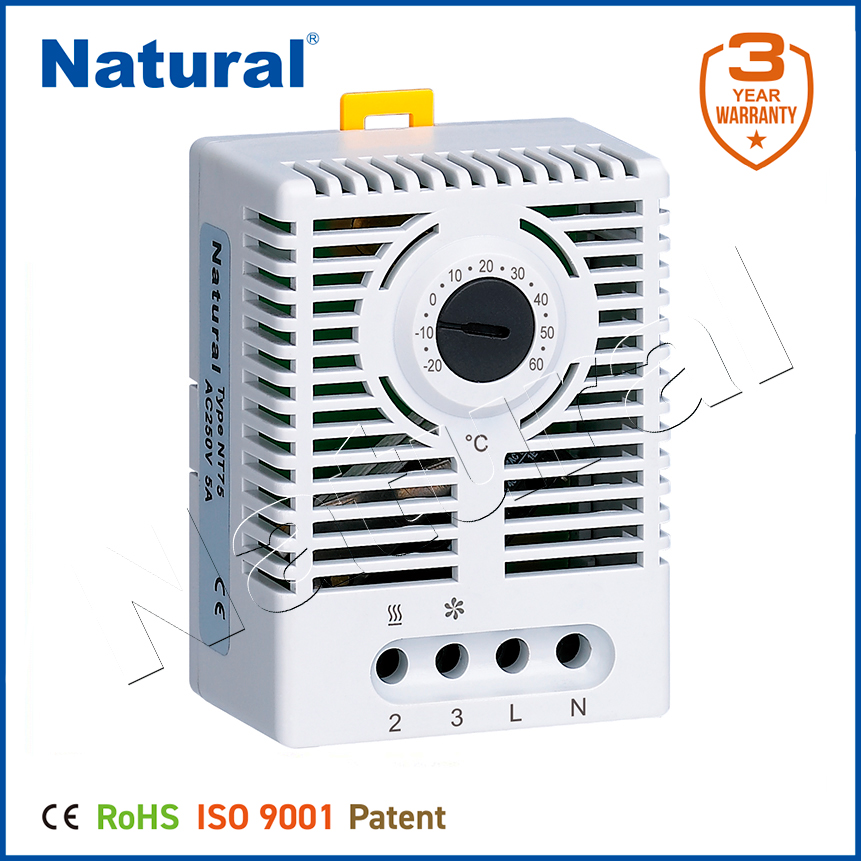
An Electronic Thermostat is a temperature control device that uses electronic components, such as sensors, microprocessors, and digital interfaces, to regulate the temperature within a space. Unlike traditional mechanical thermostats, which rely on physical mechanisms like metal springs or bimetallic strips to sense temperature changes, electronic thermostats utilize sensors and digital circuits to monitor and adjust room temperatures more accurately and efficiently. Electronic thermostats can be connected to HVAC systems, and some modern models can even be linked to smart home networks. This allows users to control their environment with a high degree of precision, either manually through a digital interface or automatically through programmable schedules. The integration of technology into these devices offers numerous advantages in terms of functionality, ease of use, and energy efficiency.
Leave a Reply