In any industrial setting, safety is paramount, especially when dealing with complex machinery and systems. One essential safety feature that ensures the protection of workers during maintenance or repair operations is the Pneumatic Lockout. Pneumatic lockouts play a crucial role in safeguarding personnel from the risks associated with accidental startup or release of pressurized air in pneumatic systems. In this article, we will explore what pneumatic lockouts are, their functionality, applications, and the significance of their use in maintaining a safe working environment.
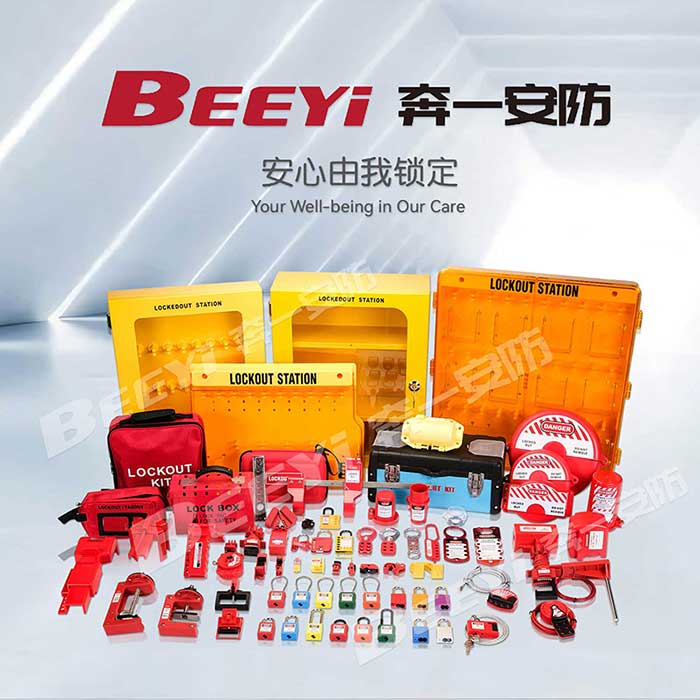
What Are Pneumatic Lockouts? Pneumatic lockouts are safety devices used to isolate and control the flow of pressurized air within pneumatic systems. These devices are designed to prevent accidental or unauthorized operation of machinery or equipment by locking valves or other control components in a non-operational state. Typically used during maintenance or repair procedures, pneumatic lockouts ensure that workers are not exposed to the dangers of unexpected pressurized air release, which can result in serious injuries or even fatalities. A pneumatic lockout works by physically blocking or locking the control valve, preventing the release of air or any other form of gas into the equipment. This can be achieved by attaching the lockout device to the valve or the air supply line, thereby isolating the system from its power source. The lockout device can then be locked with a padlock, preventing unauthorized personnel from removing it until the maintenance or repair work is completed.
Leave a Reply