In industrial settings, the safety of workers is paramount. Whether it’s construction sites, factories, or power plants, employees are often required to work with heavy machinery and potentially hazardous equipment. One of the most critical safety procedures designed to protect these workers is LOTO Safety (Lockout/Tagout). LOTO safety protocols are vital in ensuring that workers are not exposed to dangerous energies or equipment malfunctions while performing maintenance, repair, or service work. In this article, we will explore the significance of LOTO safety, its core procedures, and its impact on worker protection.
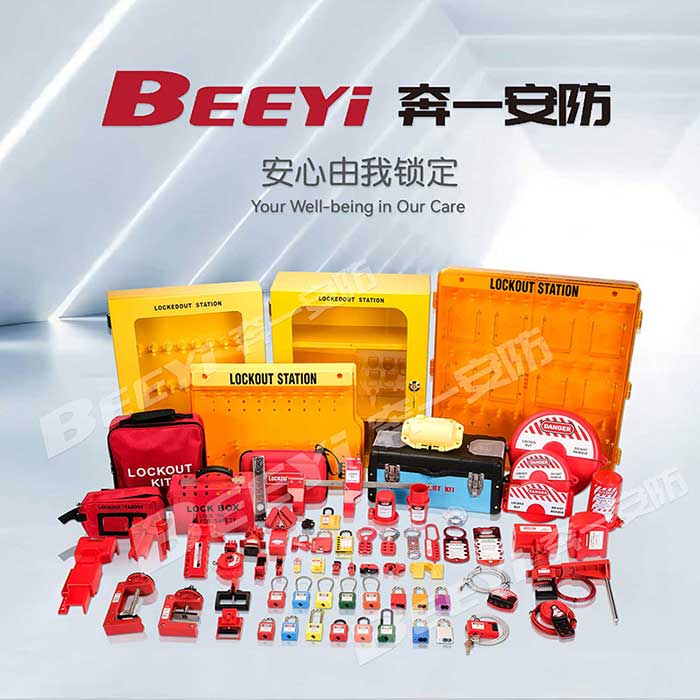
What is LOTO Safety? LOTO stands for Lockout/Tagout, a safety procedure used to prevent the accidental release of hazardous energy during maintenance or servicing of machinery and equipment. It involves “locking” a machine’s energy source, ensuring that the machine cannot be activated while being serviced, and “tagging” it with a warning label to inform others that maintenance is ongoing. LOTO procedures are crucial in mitigating the risks associated with unexpected startup or energy release, which can lead to severe injuries or fatalities. The Key Steps in LOTO Safety LOTO safety procedures are built on a systematic approach that includes five critical steps:
Leave a Reply