In the ever-evolving world of industrial safety, ensuring the protection of workers during maintenance, repair, or operational shutdowns is a critical priority. One of the essential tools in achieving this safety standard is the Lockout Hasps. A Lockout Hasp is an industrial safety device used to prevent the accidental operation of machinery during maintenance procedures, and its importance cannot be overstated. This article delves into the significance of Lockout Hasps and the role that Lockout Hasps factories play in producing these vital safety devices.
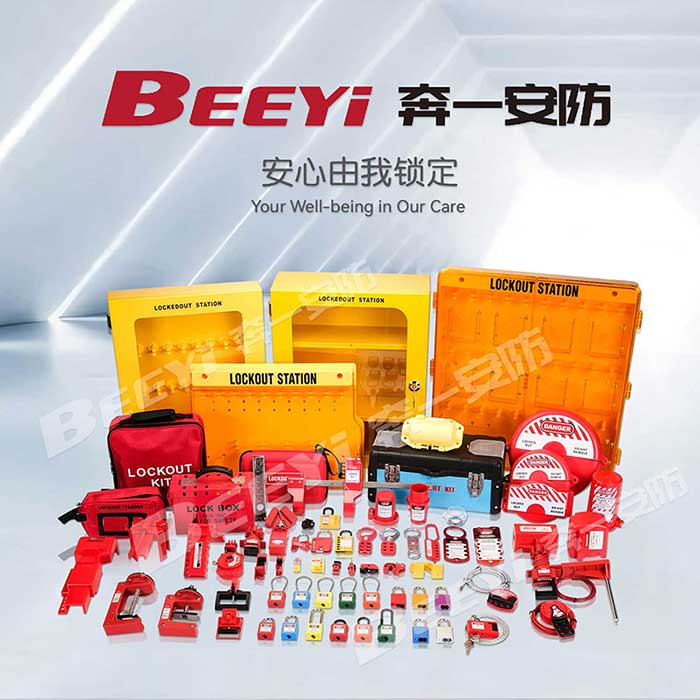
What is a Lockout Hasp? A Lockout Hasp is a simple yet highly effective safety device used in the Lockout/Tagout (LOTO) procedure. This procedure is designed to ensure that machines or equipment are properly shut off and cannot be started up again until maintenance or repair work is complete. A Lockout Hasp is usually a metal or plastic device that fits over a machine’s energy-isolating switch, such as a valve or electrical disconnect. It features several holes, allowing multiple padlocks to be attached. Each worker involved in the maintenance or repair process can use their own lock, ensuring that no one can start the equipment while others are still working on it.
Leave a Reply