In the realm of electrical engineering and automation, the 12V DC relay stands out as a crucial component that facilitates the control of high-power circuits using low-power signals. Relays operate on the principle of electromagnetic induction, allowing them to act as switches that respond to electrical signals. This article delves into the workings, applications, and significance of the 12V DC relay, highlighting its essential role in modern electrical systems.
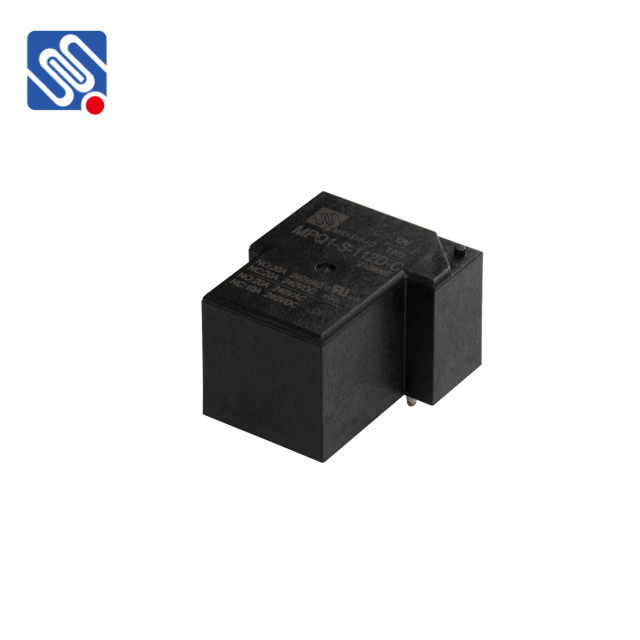
Understanding the 12V DC Relay A 12V DC relay consists of a coil, a set of contacts, and an armature. When an electric current flows through the coil, it generates a magnetic field, causing the armature to move. This movement opens or closes the electrical contacts, thereby controlling the flow of electricity in the circuit connected to it. The ability to switch high voltages and currents with a low voltage control signal makes relays indispensable in various applications. Relays are categorized mainly into two types: electromechanical relays (EMR) and solid-state relays (SSR). Electromechanical relays use physical movement to create changes in the state of the contacts, while solid-state relays utilize semiconductor technology for switching. The 12V DC relay is commonly found in both types, although its functionality remains consistent across the board.
Leave a Reply