Electric pinch valves are specialized devices widely used in various industries for fluid control, particularly when dealing with slurries, powders, chemicals, and other challenging media. They function based on the principle of pinching a flexible sleeve to control fluid flow, offering a highly reliable and cost-effective solution for managing fluid dynamics in harsh environments. In this article, we explore the core benefits and diverse applications of electric pinch valves, examining why they have become an essential tool in fluid handling systems.
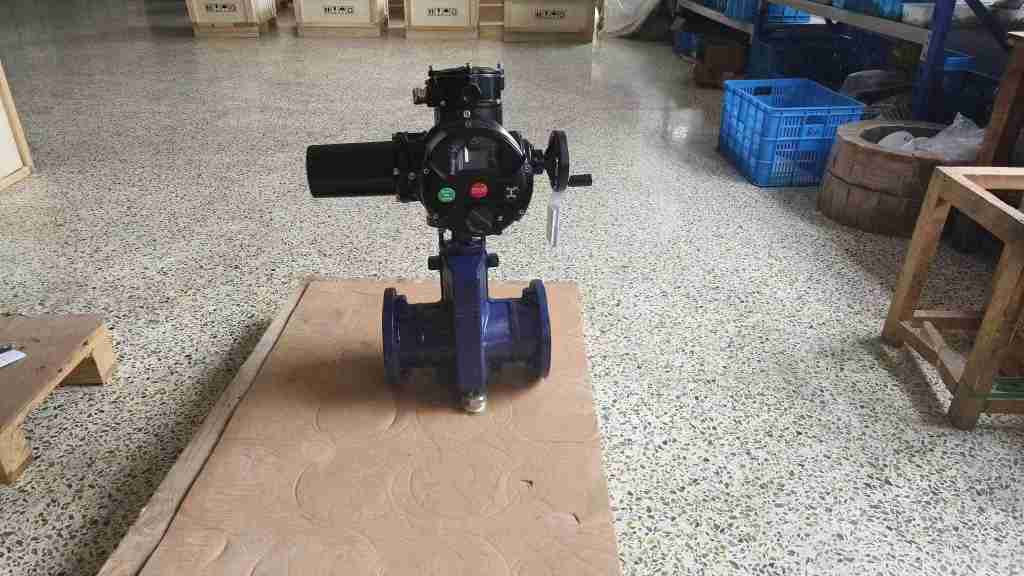
What is an Electric Pinch Valve? An electric pinch valve consists of a valve body, pinch sleeve, valve seat, and an electric actuator. The principle behind the pinch valve is simple but effective. When activated, the electric actuator moves a mechanism that pinches a flexible sleeve inside the valve body. This action constricts or opens the flow passage, controlling the flow of the fluid. The flexible sleeve, typically made of rubber or other elastomers, provides an excellent sealing function and isolates the internal fluid from the valve’s mechanical components. The electric actuator provides precise, automated control, making it suitable for integration into modern industrial systems where remote or automated operation is essential. This automated control, coupled with the pinch mechanism, makes the electric pinch valve a versatile and reliable solution for various fluid handling applications.
Leave a Reply