As the world transitions to renewable energy, solar power continues to be one of the most promising and widely adopted energy sources. With the expansion of photovoltaic (PV) systems across the globe, innovative technologies and components are emerging to optimize efficiency, reliability, and longevity. One such advancement is the Stainless Steel Photovoltaic Electric Valve, a specialized valve that combines the durability of stainless steel with the precision and automation of electric actuation. This article explores the features, applications, and benefits of these valves in photovoltaic systems, highlighting their critical role in modern solar energy infrastructure.
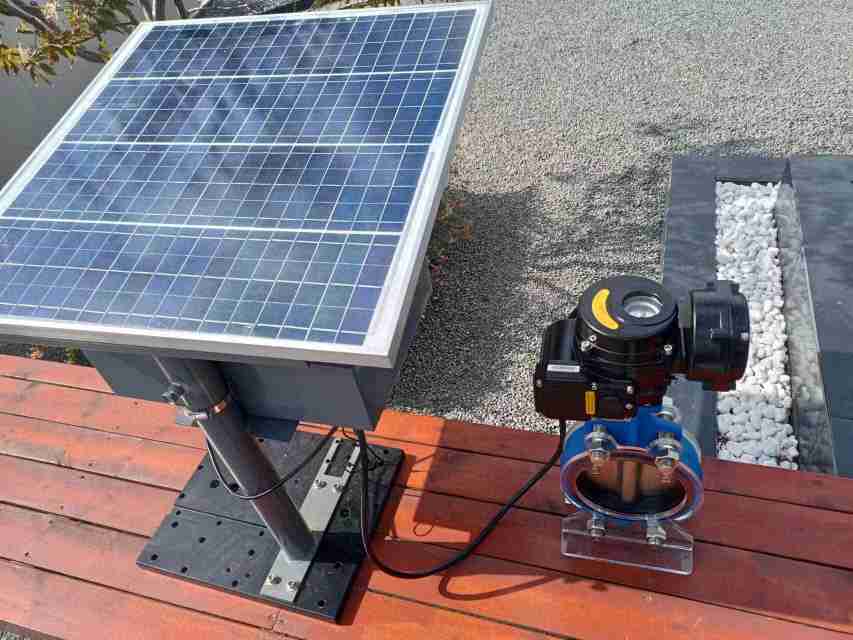
The Role of Stainless Steel in Photovoltaic Systems
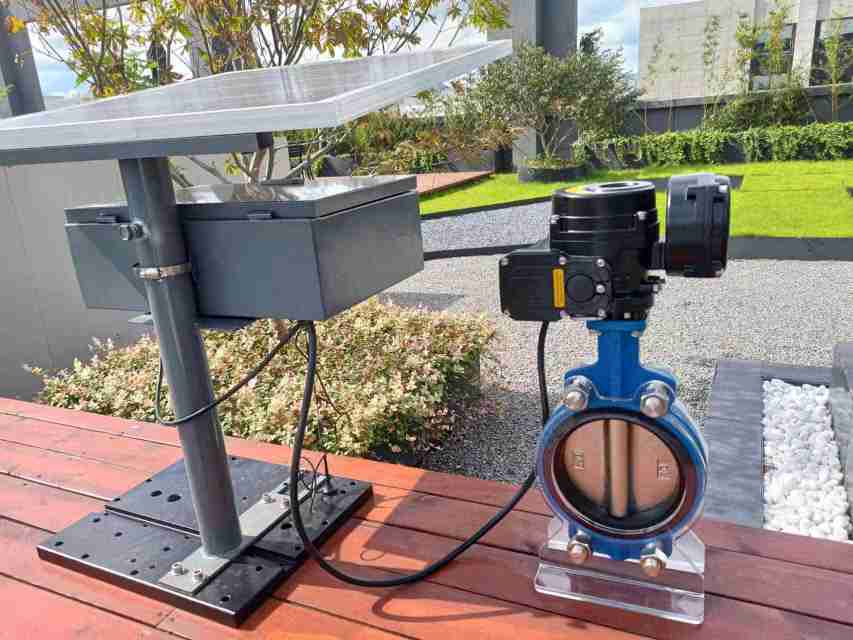
Stainless steel is renowned for its excellent resistance to corrosion, making it an ideal material for components exposed to harsh outdoor environments. Solar power systems, especially large-scale installations, are subject to a range of environmental conditions including high temperatures, UV radiation, and rain. Stainless steel’s ability to withstand these elements without deteriorating ensures that components remain functional and reliable over time. In the case of Stainless Steel Photovoltaic Electric Valves, the material’s resistance to corrosion is particularly important because these valves are often installed in systems that manage liquids or gases—substances that can cause damage to less durable materials. Whether it’s the flow of cooling fluids for high-performance panels or the management of gases in specific control systems, stainless steel ensures longevity and maintains the valve’s integrity.
Leave a Reply