The Stainless Steel Electric Flat Gate Valve represents a significant innovation in the realm of automated fluid control. Combining the robust, corrosion-resistant properties of stainless steel with the precision and convenience of electric actuation, this valve offers a solution to industries requiring efficient, durable, and easy-to-operate fluid regulation systems. From oil and gas pipelines to water treatment facilities, the stainless steel electric flat gate valve has become indispensable in a wide range of industrial applications. In this article, we will explore the key features, advantages, applications, and maintenance of this advanced valve technology.
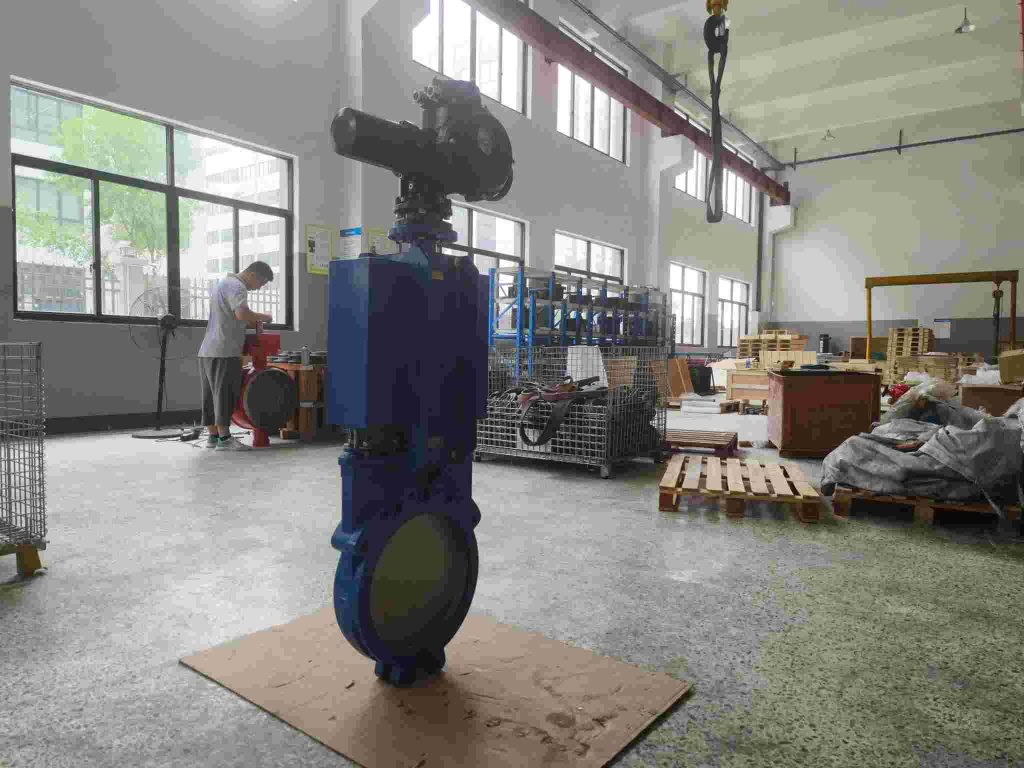
Key Features of Stainless Steel Electric Flat Gate Valve
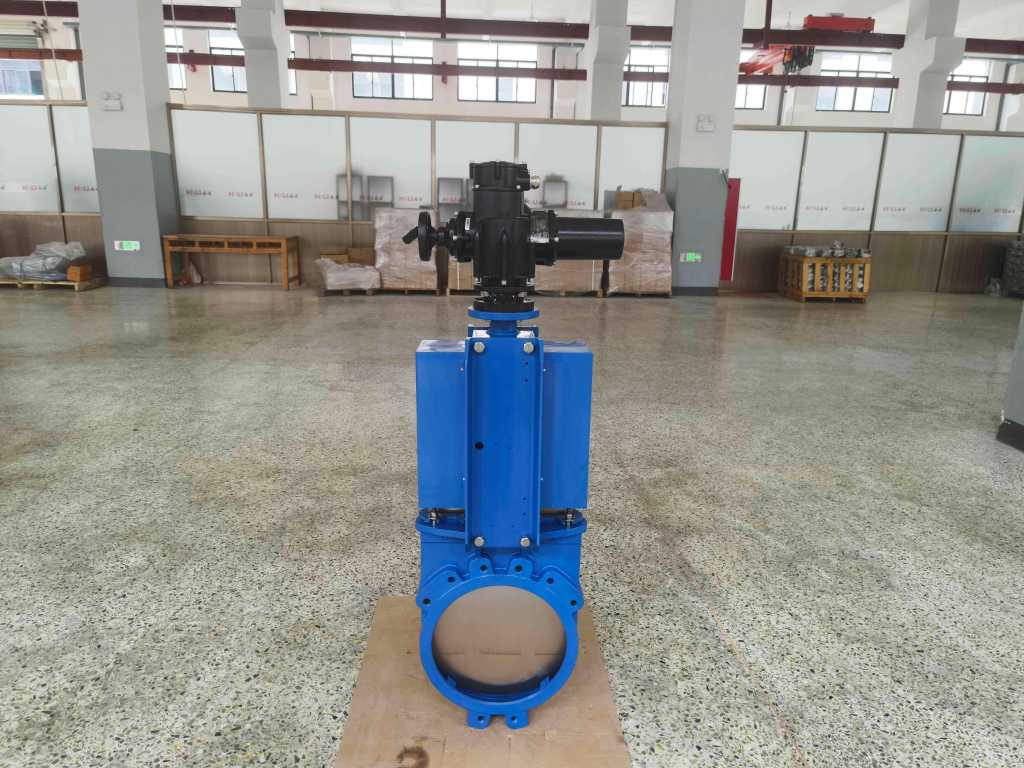
One of the most notable characteristics of the Stainless Steel Electric Flat Gate Valve is its durable construction. Made from high-quality stainless steel, these valves offer exceptional resistance to corrosion, high temperatures, and aggressive chemical environments. The stainless steel material ensures that the valve performs optimally in even the harshest conditions, extending its operational life and reducing the need for frequent replacements. In addition to its strong material foundation, the electric flat gate valve uses an electric actuator for valve operation. The actuator is powered by electricity, allowing for precise, automated control of the valve’s opening and closing. This automation provides significant benefits, such as reducing human error, enhancing operational safety, and enabling remote operation, making the valve ideal for applications where constant monitoring or remote access is necessary.
Leave a Reply