As the world shifts towards cleaner, more sustainable modes of transportation, New Energy Vehicles (NEVs) are gaining momentum. These vehicles, powered by electricity, are a cornerstone of the global push to reduce carbon emissions and promote environmental sustainability. Within the intricate design of NEVs, numerous components work seamlessly to ensure performance, safety, and efficiency. One such component that plays a crucial role in enhancing these qualities is the Solid-State Relay (SSR). The SSR, a semiconductor-based switching device, offers significant advantages over traditional mechanical relays in terms of durability, speed, and efficiency. In this article, we explore the importance of SSRs in the context of NEVs, emphasizing their role in improving vehicle performance and reliability.
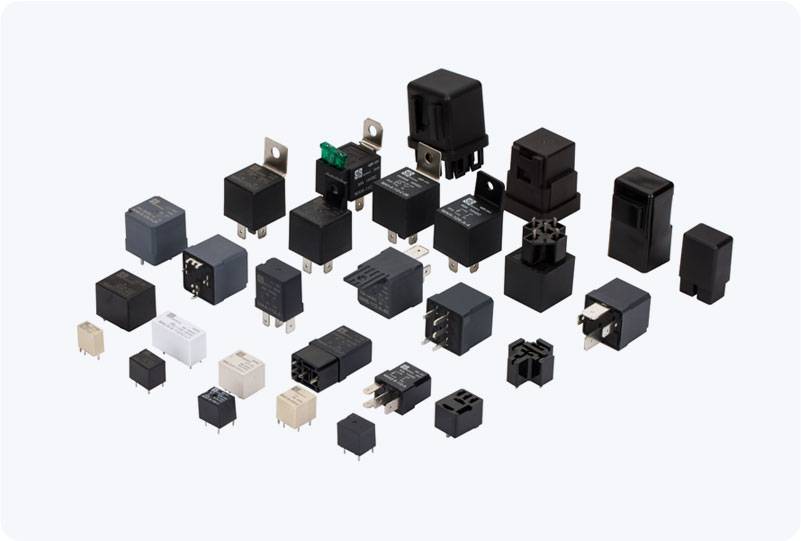
What is an SSR? A Solid-State Relay (SSR) is an electronic switching device that uses semiconductor components like thyristors, triacs, or MOSFETs to control electrical circuits without the need for mechanical moving parts. Unlike traditional electromechanical relays that rely on physical contacts to open and close circuits, SSRs use solid-state components to achieve the same result. This characteristic gives SSRs a distinct advantage in applications requiring frequent switching or high-speed operation, as they eliminate issues like contact wear and mechanical failure. Why SSRs are Critical for NEVs
Leave a Reply