The adoption of Solid-State Relays (SSRs) in New Energy Vehicles (NEVs) is an emerging trend, reflecting the ongoing efforts to optimize the electrical systems of electric vehicles (EVs) for greater efficiency, reliability, and safety. As the automotive industry continues to evolve towards sustainable and cleaner energy alternatives, the role of SSRs becomes increasingly important in addressing the unique electrical challenges posed by EVs. This article explores how SSRs contribute to the success of new energy vehicles, focusing on their applications, advantages, and impact on the future of electric mobility.
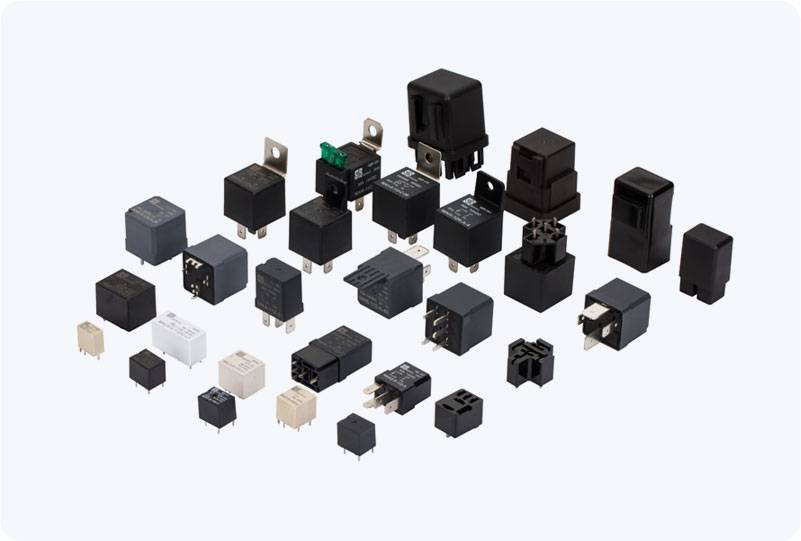
What is an SSR? A Solid-State Relay (SSR) is an electronic switching device that uses semiconductor components, such as transistors or thyristors, to perform the same function as traditional mechanical relays, but without moving parts. Unlike traditional relays, SSRs operate silently, are more durable, and have a faster response time. These characteristics make them particularly well-suited for the high-performance demands of modern electric vehicles. Applications of SSRs in New Energy Vehicles In the context of new energy vehicles, SSRs are integrated into various critical systems, including battery management, motor control, and vehicle charging, where precision and reliability are paramount.