Solid State Relay (SSR) is a key component in modern electrical and electronic systems, providing a reliable and efficient way to control high-power loads without mechanical moving parts. Unlike traditional electromagnetic relays, SSRs utilize semiconductor devices to achieve switching operations, which offers a range of benefits, including faster response times, longer lifespan, and quieter operation. In this article, we will delve into the advantages, working principles, applications, and types of Solid State Relays to understand why they are increasingly replacing their mechanical counterparts in various industries.
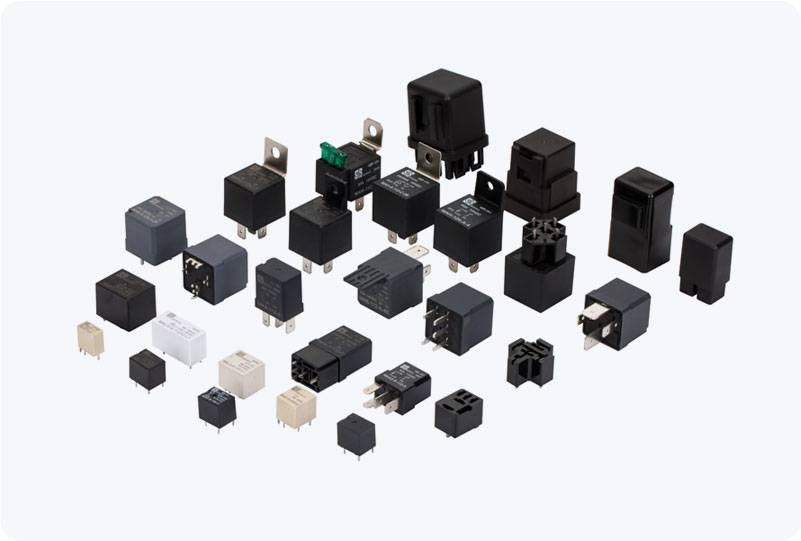
What is a Solid State Relay (SSR)? A Solid State Relay (SSR) is an electronic switching device that uses semiconductor components such as transistors, triacs, thyristors, or optoisolators to control the flow of current. Unlike mechanical relays, which use physical contacts to open or close a circuit, SSRs use the properties of semiconductor materials to switch the load on or off. This lack of moving parts makes SSRs more durable and reliable in many applications. Working Principle of SSRs The basic working principle of an SSR involves three main components: the input control circuit, the isolation stage, and the output switching stage.
Leave a Reply